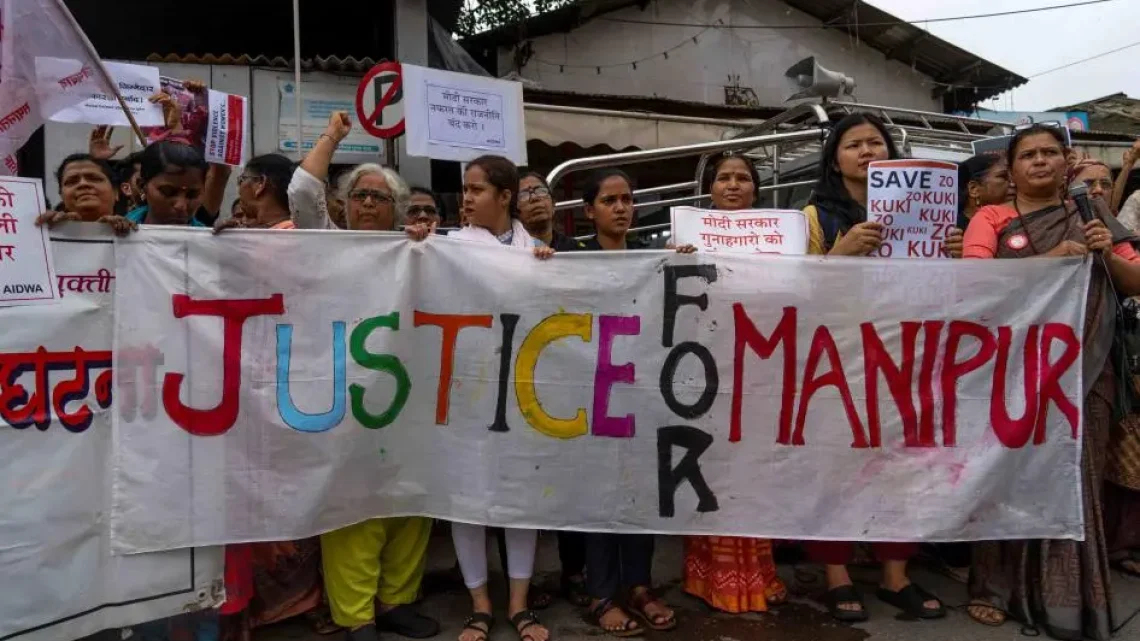
Modi Government’s Bias in Manipur: Turning Law Into a Tool Against Minorities
September 18, 2025The handling of unrest in Manipur shows a clear and cruel bias by the central government. Actions by national agencies and state forces have focused on Kuki Zo communities with fast arrests, heavy curfews and public blame while many actors from the larger community face little or no action. This one sided approach has deepened fear, fed hate and broken the fragile trust in the state. What is called law and order too often looks like a plan to punish minorities and to protect the ruling base.
Immediate NIA Action And Selective Targeting
The state has rushed cases from Kuki areas to central investigators while taking a softer line elsewhere. Fast moves to arrest young Kuki men and hand them to national teams look less like fair law and more like punishment in plain clothes. This shows a pattern where one group is treated as the enemy and the other is given room to act. Such selective targeting is state backed pressure that will not bring peace and will only stir more anger.
· NIA Focus On Kukis: Central Teams Were Sent Fast To Kuki Areas To Make Arrests And Open Tough Probes: This Shows Quick Action Against One Group.
· Meitei Acts Overlooked: Similar Violence In Other Areas Has Not Seen The Same Fast Central Move: This Uneven Response Fans Anger.
· Long Custody Used As Pressure: Keeping Young People In Long Detention Looks Like A Way To Break Community Spirit And Stop Local Work.
Curfews, Mass Arrests And Media Vilification
Kuki towns have seen long curfews, heavy patrols and mass arrests that have made daily life hard. At the same time one sided reports have painted whole areas as wild while downplaying violence from the other side. This mix of tight control and public shaming looks like group punishment. Ordinary families and small traders are trapped by fear and cannot live their normal lives.
· Long Curfews And Patrols: Heavy Limits On Movement Have Kept People Locked In Homes And Cut Off Jobs And Aid.
· Large Scale Arrests: Sweeps That Round Up Many Young Men Tear Families Apart And Leave Homes Without Breadwinners.
· One Sided Media Story: Reports That Single Out Kukis As The Main Villains Help Build Public Hatred And Make Fair Law Hard.
Political Motive And Majoritarian Cover
This central response is not just policing. It has a clear political aim. By protecting those linked to the larger group and by pushing hard on minorities the government looks like it is backing one side. This is more than bad leadership. It is a move to reward friends and punish rivals. Using security talk to protect a political line is a serious break with the duty to treat all citizens the same.
· Security Used For Politics: Claims Of Danger Have Been Used To Shield Allies And Push A Majoritarian View.
· Protection For Allies: Those Close To The Dominant Side Often Face Less Check And Shorter Limits On Action.
· Punishing Opponents: Minorities Who Speak Out Or Resist Are Treated As Enemies Rather Than Citizens.
Laws And Agencies Turned Into Weapons
Laws made for real danger are being stretched to cover normal rights work and protest. Calling groups unlawful and sending national teams to arrest local leaders shuts down normal civic work. This is a fast route to control. When law and state teams are used to shut up critics the result is not order but fear. Ordinary people lose safe ways to complain and to protect homes and farms.
· Laws Misused: Rules For Terror Acts Are Used To Label Civic Work As Crime: This Lets The State Crush Dissent.
· Unlawful Labels To Silence: Bans Make It Easy To Arrest Leaders And Break Groups That Oppose Big Projects Or Camps.
· Central Teams To Scare: The Arrival Of National Agencies Sends A Clear Message That Local Voices Will Be Removed If They Speak Up.
Clearing The Way For Projects And Camps
The practical aim behind this repression is plain. When leaders are jailed or scared it is easier to push through land deals and set up security camps. The state then points to unrest as the reason for more control. This is a cruel loop. Repression breeds reasons for more repression and communities lose the right to say no to plans that will change their lives.
· Silencing To Push Projects: With Leaders Out Of The Way It Is Easier To Take Land And Approve Big Works Without Local Agreement.
· Security Camps Follow: Heavy Policing And Camps Grow After Community Voices Are Removed.
· Cycle Of Repression: Arrests Lead To More Control Which Then Is Used To Justify Further Arrests.
The Human Cost And The Gender Impact
The price is paid in homes and bodies. Families lose their leaders and their income. Women and children face extra danger when the people who raise their problems are taken away. Reports of abuse, forced moves and loss of land are less likely to be heard. Fear spreads and trust in courts and police falls. The poor and tribal groups are left to carry the cost of a policy that treats them as expendable.
· Families Broken: Arrests And Curfews Split Families And Cut Off Support Networks: Ordinary People Suffer Most.
· Women And Children Hurt Most: When Women Leaders Are Taken There Is No One To Raise Issues Of Abuse And Displacement.
· Trust Destroyed: Long Term Fear Makes People Lose Faith In Courts And Police And Makes Peace Hard To Win.
International Community Must Hold India Accountable:
The world cannot stand by while one state treats its own people as targets. The international community must raise its voice loud and clear, press India to stop human rights violations and make those who broke the law face real punishment. Donor countries, rights bodies and partners should not trade silence for access. They must push for independent checks, demand fast medical and legal help for detainees and work to make sure victims get justice. If foreign governments keep quiet they will be part of the cover up that lets abuse go on.
· Name And Shame: Foreign Governments And Rights Bodies Must Call Out India’s Wrong Doing And Not Let It Hide Behind Security Talk.
· Pressure For Action: International Partners Should Use Sanctions, Aid Conditions And Diplomatic Steps To Force Real Change.
· Support Independent Checks: Let Outside Monitors See The Cases And Report Publicly So The Truth Cannot Be Hidden.
Conclusion
The handling of Manipur shows a central government that has chosen bias over balance and power over justice. Quick arrests, long curfews and selective use of law are not means to peace. They are tools that harm lives and feed more anger. If India still wants to be called a democracy it must stop this clear bias, hold those who ordered or carried out abuse to account and let communities speak and defend their rights without fear. Only equal justice and open action can give any hope of real peace.