Kashmiris Persist In Their Just Struggle For Right to Self-Determination: APHC
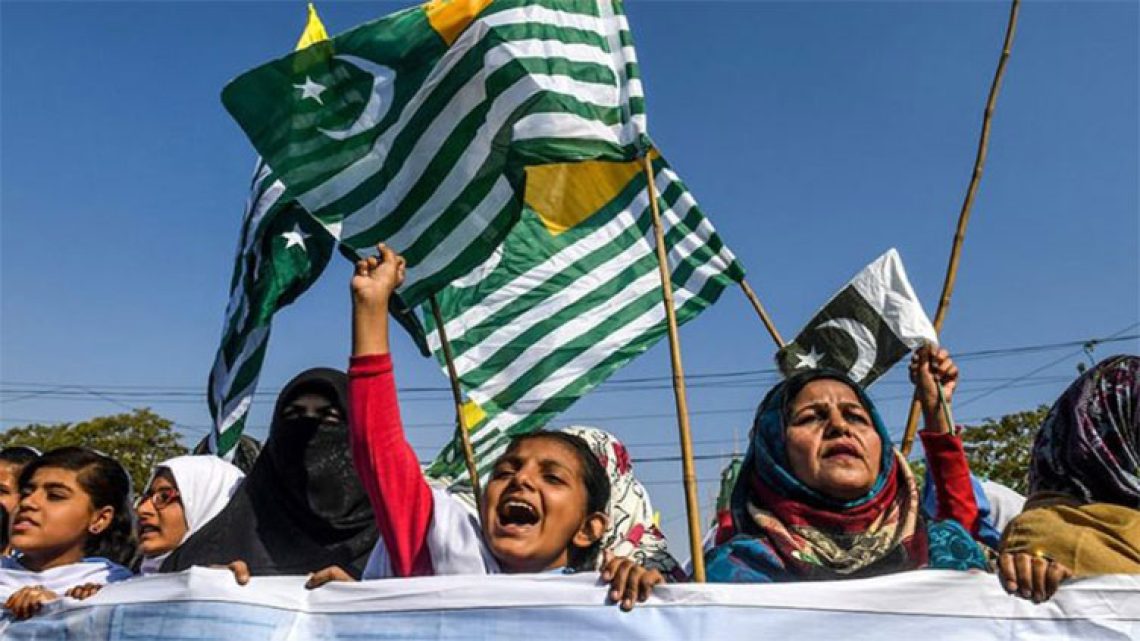
September 17, 2025The All Parties Hurriyat Conference has once again said that the people of Indian occupied Jammu and Kashmir will not give up their right to choose their future. In a statement from Srinagar APHC spokesman Advocate Abdul Rashid Minhas said the demand for self determination is not a short protest but a long held and lawful call. Instead of meeting this demand with talks and politics, New Delhi has answered with mass arrests, harsh laws and a push to silence all opposition. This is a policy of force not of justice and it must be named as such.
Right To Self Determination Is A Long Standing Struggle
The call for a plebiscite in Jammu and Kashmir goes back to the papers taken to the United Nations soon after partition. The steps agreed then pointed to a neutral vote to let the people decide their future. Years of delay and new moves on the ground do not erase that record. By refusing a neutral process India has turned a political question into a long human crisis.
• UN Promise And The Claim: The United Nations called for a process to let Kashmiris choose their fate and that promise remains unfulfilled.
• No Neutral Path Offered: Instead of a neutral path to a vote New Delhi has pushed facts on the ground that do not answer the main demand.
Mass Detentions And Use Of Harsh Laws
The APHC raised alarm over the wide use of preventive detention and the regular use of laws like the Public Safety Act and the Unlawful Activities Prevention Act. Thousands of Kashmiris are held under these powers. Laws meant for rare cases are now used every day to lock people up and stop political speech. This steady use of jail shows a state that prefers force to talk.
• PSA And UAPA Misuse: These laws let the state hold people for long periods without normal court checks and deny basic legal rights.
• Thousands Held In Custody: The scale of detention shows a clear policy of mass control rather than careful rule of law.
Political Repression And Rights Abuse
The arrests and long jail terms are not random. They are aimed at breaking organised resistance and shutting down public voice. Political leaders, human rights workers and ordinary people face long terms, travel bans and limits on legal help. Reports from groups on the ground describe repeated misuse of detention powers and a system that too often denies even basic rights.
• Targeted Arrests: Key leaders and activists are kept away from family and lawyers which weakens any fair defence.
• Crushing Dissent: Peaceful political work is treated as a security threat which closes off space for a political solution.
Propaganda, False Flags And Smear Campaigns
Beyond arrests the state and its supporters push a steady flow of hostile stories to paint the freedom movement as violent. False flag claims and planted reports are used to link real protest to terrorism. This is a plan to turn public opinion against those who ask for a vote and to sell harsh measures as needed for safety.
• Labeling As Terrorists: Calling the movement a security threat clears the way for wider action against whole communities.
• Media Push: Distorted reporting helps build a case for tougher laws while hiding the reality of abuse.
Breakdown Of Justice And Loss Of Trust
When law becomes a tool of power the idea of justice is broken. Courts and police that carry out long detentions and allow secret charges lose public trust. Families of those jailed lose hope and whole communities pull back from public life out of fear. Turning legal powers into weapons strips law of its protective role and makes the state itself a source of fear.
• Public Trust Erodes: Routine arrests and rare convictions push people away from formal justice and into despair.
• Law Turned Into Force: Using legal authority to silence critics turns courts and laws into tools of repression.
Kashmiri Resolve And The Failure Of Repression
Despite arrests and the campaign to discredit them, Kashmiris remain firm in their demand. The APHC statement stresses that detention and propaganda will not break their will. Each new act of repression only strengthens the resolve to seek a fair and lawful outcome. History shows force cannot erase a people’s claim and heavy handed rule only deepens resistance.
• Steadfast Resolve: Repression has failed to stop the demand for a free choice.
• Resistance Not Terror: What New Delhi calls security trouble is largely a political demand that repression cannot remove.
Call For International Action And A Real Plebiscite
The APHC urged the world to end its silence and to act to protect the rights of the Kashmiri people. The promise of a plebiscite must not be left as paper words. The international community must press for a neutral process and must ask for the release of political detainees as a first step to restore trust. Silence by free states only helps those who use force.
• Revive The Plebiscite Promise: The UN pledge must be made a real option so the people can choose their future.
• Free Political Prisoners: Immediate release of those held for political reasons would open space for talks and ease tension.
What India Must Face Up To
India cannot solve a political demand with troops, harsh laws and false stories. The current policy of the central government shows a clear choice for control not for a lasting political solution. That path has failed. It makes peace more distant and it deepens anger among the people. Leaders must accept that repression only prolongs the problem and that the only way out is a real political process that respects the will of the people.
• End Force As Policy: Troops and preventive detention must not be the main tools to handle a political problem.
• Return To Talks: A clear political path with neutral oversight and a real choice for the people is the only way to end the crisis.
Conclusion: Time For Justice And Truth
The APHC statement is a call for truth, justice and action. The world must not look away while people are jailed and basic rights are taken away. India must stop using force and secret charges and must allow a fair and open process. The time for small steps is over. The time for real justice is now.