IIOJK High Court Halts Charge-sheet Move Against MLA Meraj Malik
September 17, 2025The pattern in Indian illegally occupied Jammu and Kashmir (IIOJK) is now clear. When the people of IIOJK raise their voice for the right to choose their future they face more than law. They face a campaign of false accusations, arrests, long detention and pressure on families meant to crush any call for self-rule. Recent court action in Doda shows how official papers and security talk are used to shape public opinion long before a court decides the facts. This is not justice. It is the use of state power to silence political demand.
High Court Pause And The Case Facts
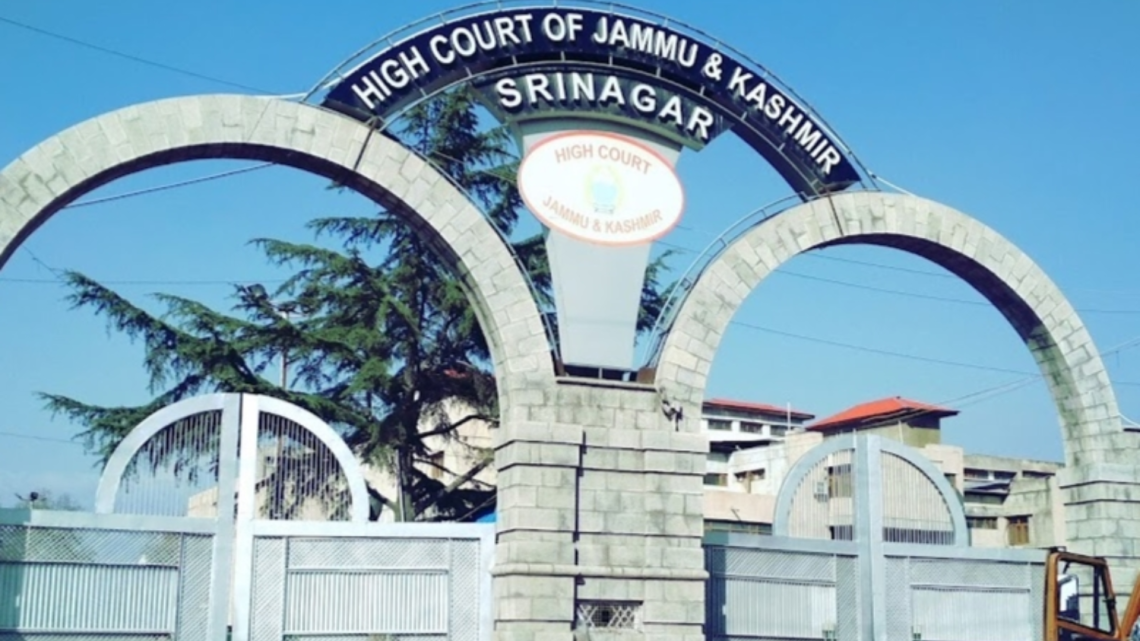
The IIOJK High Court in Srinagar has stopped police from filing a charge sheet against Doda MLA Meraj Malik while the inquiry goes on. The case carries charges that include assault with intent to dishonour, obstructing a public servant and use of force to stop a public servant. Justice Rajesh Sekhri asked the officials to file objections within four weeks and fixed the next hearing for October 31, 2025. Holding back the charge paper matters because a formal sheet puts a public mark on a person long before evidence is tested.
• Charges Named: The case refers to offences under Section 356(2), Section 79 and Section 351(2) which cover assault, obstruction and use of force against officials.
• Court Timeline: The court has asked for replies and listed the next hearing date.
• Inquiry Continues: Police may gather more material but cannot yet make the formal charge public.
Official File And Words That Harm
Before charges could be placed the Doda administration made a file that used strong labels and put Malik in a bad light. The local police called him a history-sheeter and a habitual offender and sent the file to the home department through the deputy commissioner. Official words like these act as public judgement long before a court finds guilt and turn state papers into tools to shame and weaken a leader.
• File Sent Up: Local police and district officials passed a report to higher offices that used harsh labels.
• Words That Hurt: Calling someone a history-sheeter in an official note marks them guilty in the public mind.
• Risk To Fair Trial: Such words shape news and public opinion and can damage the chance of a fair hearing.
False Claims, Arrests And Pressure On Families
This case fits a wider pattern in which political work is first called a threat, then turned into criminal cases and then punished. The state uses laws, files and media to mark activists as dangerous. Arrests under tough laws, long holds before trial, and pressure on families aim to break the will of those who ask for rights. Turning political speech into a security problem makes normal politics impossible.
• Label Then Lock Up: The process often starts with a label, the opening of a file and then legal steps to keep a person off the street.
• Families Pressured: Reports say families of detainees are often harassed or threatened to force silence.
• Protest Framed As Crime: Meetings and peaceful protests are treated as threats which makes public life risky for those who speak up.
Operation Sindoor And The Security Cover
The report links the case to Operation Sindoor, said to stop moves that create communal or regional splits. Framing the issue as part of a security drive turns political acts into law and order matters. This blurs the line between crime and politics. When the state wraps political work in security language it becomes harder for people to see protest as political and for courts to judge facts fairly.
• Security Label Used: The case was tied to a wider operation aimed at stopping communal trouble.
• Dissent Made Dangerous: Calling political acts security threats makes it easy to use tough measures.
• Debate Narrowed: The security cover reduces space for normal political talk and peaceful protest.
Police, Courts And Media Moving Together
What is most worrying is how police action, official files and media reports often follow the same line. That makes it hard to trust these bodies as fair or independent. When the central government controls key posts and sets the tone, the result is a system where law and force shape politics rather than protect rights.
• Police Used Politically: Police steps and reports can follow political aims rather than neutral inquiry.
• Courts Under Pressure: Fast moves and public labels can push courts into a role where they react to what officials present.
• Media Help: State-friendly outlets repeat the official line and build a public case that hides the real political demand.
Why This Hurts Rights And Peace
Using false claims, long detention and pressure on families to silence a people does not build stability. It breaks trust, feeds anger and makes peace impossible. The people of IIOJK who call for the right to choose are citizens asking for their voice. Treating them as threats and using force to stop them will only make the problem worse.
• Trust Is Lost: When law is used to back power people lose faith in state bodies.
• Anger Grows: Repression creates deeper resistance and wider unrest over time.
• No Lasting Fix: Force may stop a street protest for a while but it cannot end the demand for choice.
Court Pause Shows Need For Outside Pressure
The High Court action in Malik’s case shows the need for checks on state power. The international community must not ignore cases where legal tools seem to be used for political ends. Rights groups, democratic states and the United Nations should press for open checks, access to detainees and answers from India. Asking India to explain its actions is not interference; it is a demand that basic standards of fairness be met.
• Call For Independent Review: International groups should press for open and neutral checks into cases of arrest and reports of abuse.
• Demand For Fair Process: The world must call for legal access, fair hearings and the release of those held on weak grounds.
• Use Pressure If Needed: If abuse keeps happening the international community should take steps that make further repression costly.
Conclusion: End Old Tricks, Allow Justice And Choice
The Meraj Malik case shows how old methods of false claims, arrest and pressure are used to hush those who seek self-rule. The central government and local officials must stop using police, courts and media to crush peaceful demand for a vote. The international community must press for fair hearings, release of those held on weak charges and independent checks on reports of mistreatment. If law is to mean anything, the right to speak and the right to choose must be protected now.