Protest In Srinagar Against Highway Blockade, Several AIP Leaders Detained
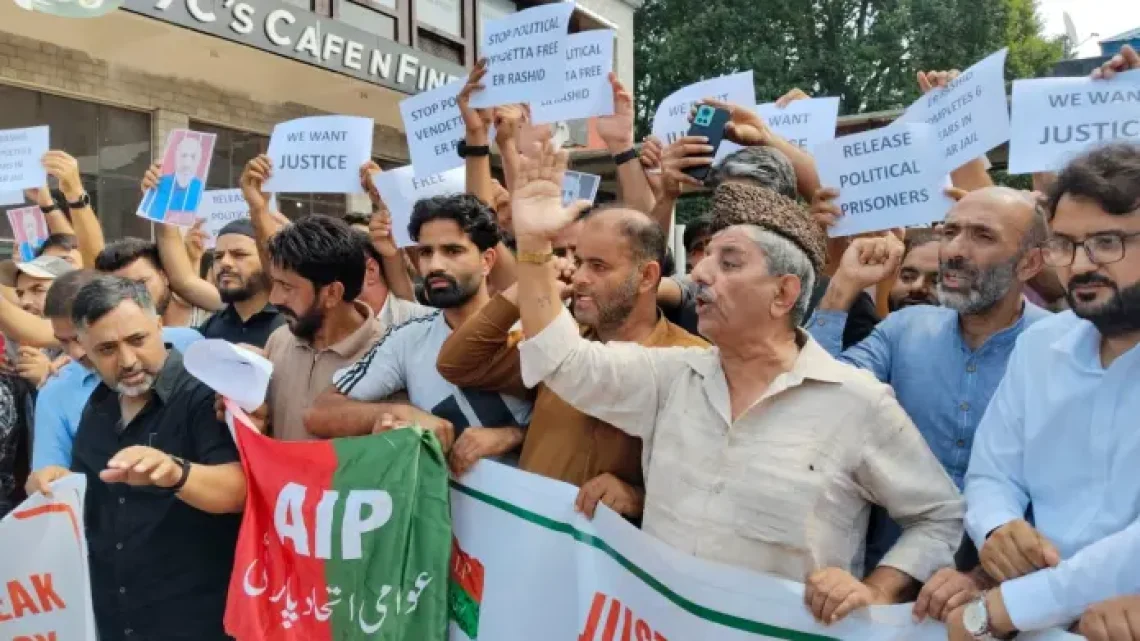
September 17, 2025A large protest in Srinagar made a simple demand clear. Hundreds of Awami Itihaad Party activists led by MLA Sheikh Khursheed gathered at Press Colony to call for the immediate clearing of the long blockade on the Srinagar Jammu highway and to free the many fruit loaded trucks stuck on the road. Instead of moving fast to protect the harvest the administration led by New Delhi-appointed Lieutenant Governor Manoj Sinha chose to detain party leaders and to punish those who spoke up for growers. That decision to lock up protest leaders rather than open the road shows the priorities of a government that puts control above the lives of ordinary people.
Blockade Hits The Valley Economy Hard
The Srinagar Jammu highway is the main road for the Valley’s fruit trade and for many related jobs. When the road is closed for days whole families lose the season’s income. The protest called attention to a clear harm: trucks full of ripe apples left to rot, traders facing ruin and farm workers without pay. This is not a small problem. It follows from weak planning and from a political approach that treats local needs as less important than a show of power.
• Road Cut Off: The Srinagar Jammu highway has been blocked for more than two weeks leaving trucks full of fruit unable to reach markets.
• Fruit Rotting On Trucks: Apples and other fresh produce spoil quickly without cold storage which means heavy loss for growers and traders.
• Wider Economic Harm: When produce is lost the whole chain from pickers to shopkeepers is hit and many families suffer.
Detaining Protest Leaders Instead Of Helping Growers
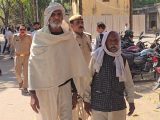
The arrest of MLA Sheikh Khursheed and other AIP leaders shows that the administration treated a public cry for help as a threat. The fast detentions send a warning to any farmer or worker who might raise their voice. This heavy handed response does nothing to save a single apple. It only deepens anger and fear and shows that the administration answers public pain with force instead of help.
• Leaders Arrested: Key activists who led the protest were taken into custody which makes clear that raising a public voice will be punished.
• No Immediate Relief: Arrests and police action did not clear the road or give real help to growers facing loss.
• Message To The Public: The move discourages protest and forces people to accept loss in silence.
Fruit Trade Is The Valley’s Main Source Of Income
For hundreds of thousands of families the fruit trade is not an extra business. It is the main source of income that pays for food, school and health care. The loss of one season is not just a lost profit. It is the loss of school fees, the loss of medicines and the start of debts that trap families for years. The slogan Save Apple, Save Kashmir was not just a chant. It was a plea from people who depend on the harvest to live.
• Families At Risk: Thousands of orchard families depend on apple sales for their yearly income and basic needs.
• Seasonal Window Lost: Fruit markets move fast; if trucks miss the market the value is gone and cannot be made up.
• Chain Reaction: Transporters, small traders and daily wage workers also lose money which multiplies the harm.
Policy Failure And Political Choice
The protest blamed the lieutenant governor appointed by New Delhi for choking the Valley’s economy. Whether by design or by bad planning the result is the same. Officials failed to keep a main road open and then chose to respond by arresting leaders instead of helping farmers. This fits a wider pattern where the central government treats Kashmir as a place to control rather than as a place to serve.
• Local Failures: Officials did not move fast to clear the road or to set up alternate routes and storage.
• Central Policy Of Control: The focus on control over people rather than on meeting needs reflects the choices of New Delhi’s chosen leadership.
• Demand For Answers: Families and traders deserve a public report on why the road was closed so long and why leaders were detained instead of rescue work being done.
Crackdown On Protest Damages Public Trust
Putting local leaders in jail for speaking for growers will not bring back the lost crop. Instead it will break trust between people and the state. When the state uses power to silence critics it loses moral standing and weakens any claim that it works for the public good. That damage is deeper than this season’s loss. It harms civic life and makes future cooperation harder.
• Silencing Dissent: Arrests for peaceful protest make people fear speaking up and reduce space for public debate.
• No Help For Victims: Detentions did nothing to help farmers and workers who face immediate loss and hardship.
• Long Term Harm: The political cost is high as people grow more distant from official channels and less willing to trust government.
Urgent Steps To Save The Crop And Restore Trust
The steps needed are simple and urgent. Open the highway now and give priority to the stranded trucks. Provide emergency cold storage and quick market access to save what can be saved. Offer immediate cash help to the worst hit families and release the detained leaders so talks can begin. These measures will do far more to calm the situation than any show of force.
• Clear The Road Now: Immediate action to open the highway will save many loads and stop more loss.
• Support For Growers: Temporary storage, transport help and quick cash aid will reduce the human cost.
• Release Leaders And Talk: Free those detained and start real talks with growers and their representatives.
Political Cost For A Government That Chooses Force
The way authorities handled this protest shows a wider trend under New Delhi where control and image come before people’s needs. The central government’s choice to back a hard line in Kashmir has real costs. It weakens the claim to govern for all, it fuels anger, and it harms the region’s economy and social peace. If the state wants stability it must act like a government that serves people not one that shows power.
• Policy Of Control Backfires: Treating civil demands as security threats only increases unrest and lowers the chance of political solutions.
• Economic And Social Damage: Short term shows of power bring long term loss in trust and in livelihoods.
• Need For Change: The central leadership must move from punishment to service if it wants lasting calm and real development.
Conclusion:
The protest in Srinagar was a clear call for help from people who feed the region and who depend on one season to live. The heavy handed response from the administration reflects a larger problem where control is valued more than public need. If the government truly cares for the people it claims to serve it must clear the road, help the growers and stop using force to answer basic civic demands. Saving the apple crop is saving a way of life and any honest government must act now to protect it.