India Taliban Nexus: A Hidden Threat to Regional Peace and Stability
September 16, 2025The recent interview of Taliban figure Anas Haqqani on an Indian platform has opened a worrying chapter in South Asian public life. What began as an online talk quickly became a wide push to soften the Taliban’s image in parts of Indian media and social life. The speed and tone of praise for the guest show a real effort to change how a group known for harsh rule and limits on basic freedoms is seen by many viewers. Pakistan and other neighbours must note this change and respond with clear facts and steady policy.
The Scale And The Message
In a short time the interview drew huge views across video and social sites and created a wave of praise from many Indian users. The shift from surprise to approval in comments and shares is not just a passing trend. It helps a plan that makes violent groups look like ordinary political actors and gives them space to claim a place in public life. Reports show clips and posts reaching millions and being widely shared across platforms.
Anas Haqqani Interview: Public Reach And Response:
More than a million views within a day on video and social platforms.
Many viewers praised the guest and said Indian media had been wrong about the Taliban.
The talk focused on calmer topics and personal stories while sidestepping clear questions about rights and violence.
Narrative Engineering By Indian Media And Influencers
The way the interview was shown points to clear choices by hosts and news sites. When a platform treats a person with a record of violence as a normal guest it lowers public resistance to that person. This is not only a question of free speech. It is a matter of how public platforms can be used to make violent groups seem acceptable and to place them within normal political debate. Repeated exposure can make dangerous ideas look ordinary.
Media Normalisation: How The Message Is Shaped:
Repeating clips on main feeds turns a risky actor into an ordinary voice.
Focus on soft remarks hides the record of violence and rights abuses.
Avoiding hard questions gives a false sense that the group has changed.
The Modi Government And A Policy Of Convenience
India often speaks of fighting terror and of protecting rights. Yet the rise of public platforms for Taliban linked figures shows a policy led by short term political goals rather than steady rules. The Modi government’s claim to stand firmly against extremist violence is weakened when parts of Indian public life offer such figures public space without sharp challenge. This points to a choice to use extremist voices for political gain against rivals rather than to hold them to account.
Political Motive: Selective Engagement And Strategy:
Public outreach looks aimed at gaining pressure against Pakistan and other rivals.
The pattern shows a readiness to use extremist messages as tools of influence.
Such selectivity weakens India’s claim of a steady policy against terror.
Security Costs For The Region
Softening the image of extremist groups has real effects on security. Public approval and media cover can lead to easier movement, access to funds, and political cover for violent networks. For Pakistan the opening of any channel that eases support or sympathy for hostile groups raises the risk of cross border trouble and new forms of conflict. Treating such groups as tools will bring wide harm to regional safety.
Security Risks: Practical Dangers To Watch:
Public acceptability may lead to private contacts and secret support networks.
Legitimacy given by media can lower the political cost of working with such groups.
A split regional stance weakens joint action against violent groups.
Human Cost And The Question Of Rights
The Taliban record on rights is plain. Women have lost basic freedoms and any voice of dissent faces harsh punishment. When a state or its media give soft treatment to those who carry out such abuses, the pressure for change inside Afghanistan drops. India’s public outreach sends the wrong message that political gain is more important than the lives and rights of Afghan women and other groups who face daily harm. This is a moral failure with real human cost.
Human Rights Consequences: Who Pays The Price:
Soft coverage reduces pressure for better treatment of women and minorities.
Public praise given to abusive actors weakens the voice of those who seek change inside Afghanistan.
Moral clarity is lost when short term strategy wins over the need to protect people.
Strategic Motives And Regional Balance
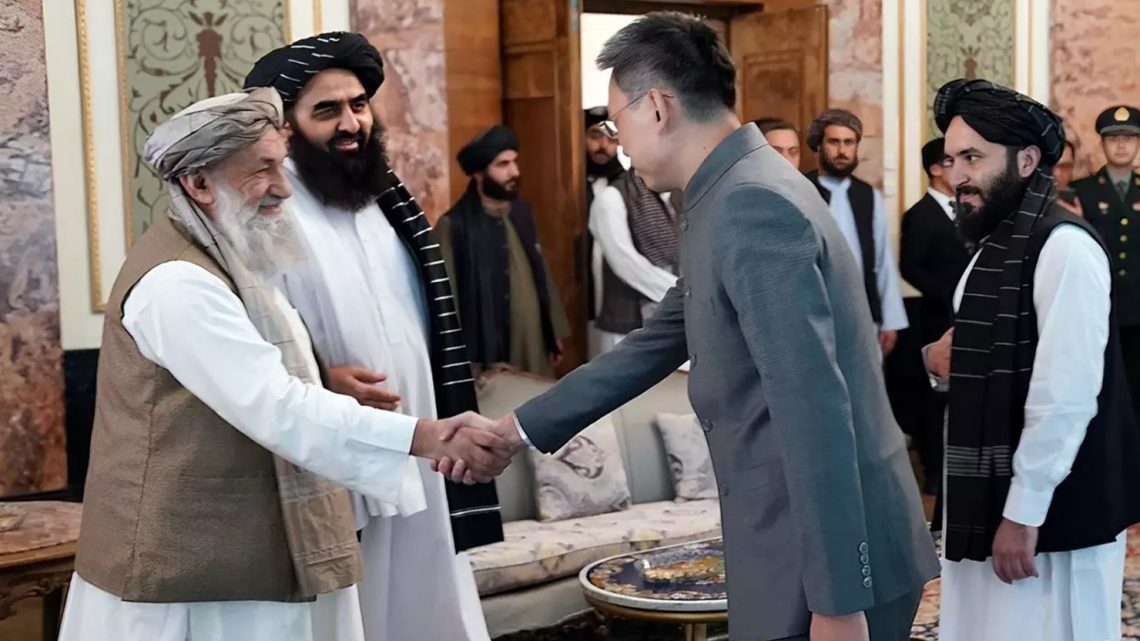
Some Indian voices may see ties with hardline groups as a way to gain advantage in regional rivalries and to push back against other powers. In South Asian politics such moves are not new. What is new is the public way this work is now being done. Giving these links a public stage raises the risk of secret deals and deeper trouble in a region already full of tension.
Strategic Points: The Wider Aim:
Using hardline groups as a counter to Pakistan allows pressure without open war.
Courting factions in Afghanistan may be seen as a way to limit China’s reach.
Public normalisation gives cover while private links can form.
What Pakistan And The Region Should Do
Pakistan must answer with clear facts and steady diplomacy that exposes the risk of making extremist voices normal. Regional partners and global bodies must insist that public contact with groups known for violence be tied to real steps on rights and on steps showing a break with terror. Independent media must ask tough questions and not repeat a public relations script. Only a steady and fair regional stance can protect long term peace.
Policy Steps: Practical Measures To Take:
Demand clear and verifiable steps from any group before public engagement.
Strengthen regional cooperation to close gaps that allow secret links to form.
Support independent news work that asks hard questions rather than giving soft space.
Conclusion
The Anas Haqqani interview is not a one off event. It shows a wider change in how some in India treat extremist actors for short term gain. The Modi government and those who shape India’s public life must be held to account for any choice that trades long term peace for short term gain. Pakistan and the region must answer with steady policy, clear facts and a focus on protecting rights and safety. The future of peace in South Asia depends on stopping the public normalisation of violent actors and on returning to policies based on steady rules and long term interest.