India, Israel And The Gulf: A Double Game That Breaks Trust and Expose India as an Unreliable Ally
September 13, 2025India’s conduct in the Gulf is now a clear two faced act. In public New Delhi says it wants calm and good ties. In private its networks, business links and security contacts help moves that hurt Gulf states and help Israel’s aims. This double game by the Modi government trades long term trust for short term gain. The cost falls on Gulf partners, on Indian workers abroad and on India’s own standing.
Public Line And Private Moves
India speaks softly in public while other Indian actors work hard in secret to gather information and to help hard actions. This split between what India says and what it does makes Gulf leaders doubt New Delhi’s honesty. The result is that Gulf states watch Indian firms and workers more closely and reduce the kinds of cooperation that once ran smoothly.
Public Softness:
• India issues mild statements of concern and calls for calm rather than naming the real aggressor.
Private Action:
• Business ties, former officers and local networks are used to collect data and support moves that serve another power.
Trust Eroded:
• When words and acts do not match, Gulf rulers cut back on sensitive cooperation and impose tighter checks.
Exposed Spy Cases And Their Damage
Arrests and detentions in Doha and elsewhere show how the split has hurt ties. The arrest of former navy officers and the detention of corporate staff have forced ugly diplomatic fixes and long delays. Each case leaves a mark that takes years to heal and makes normal business and work harder for ordinary people.
Doha Arrests:
• The detention of former naval officers over submarine work broke trust and led to long diplomatic fights.
Corporate Detentions:
• Business and tech staff have been swept into security probes, showing how company work can be pulled into spying cases.
Lasting Harm:
• Every exposure makes Gulf states watch Indians and their companies more closely and change rules to protect themselves.
RAW, Diaspora And Diplomatic Cover
India’s spy work has used business fronts, community links and embassies as cover for many years. In the Gulf, with millions of Indian workers, this gives wide reach. When such reach is used to help another country’s aims it crosses a line and looks like a betrayal of a partner state.
Diaspora As Cover:
• Nine million Indians in the Gulf give many points of contact that can be tapped for information.
Firms And Embassies Used:
• Private firms and diplomatic posts can be used to pass messages, hide activities and shield agents.
Breach Of Trust:
• Using civilian covers to support hard actions in a friendly state breaks basic rules of state to state trust.
India–Israel Ties: Gains That Backfire
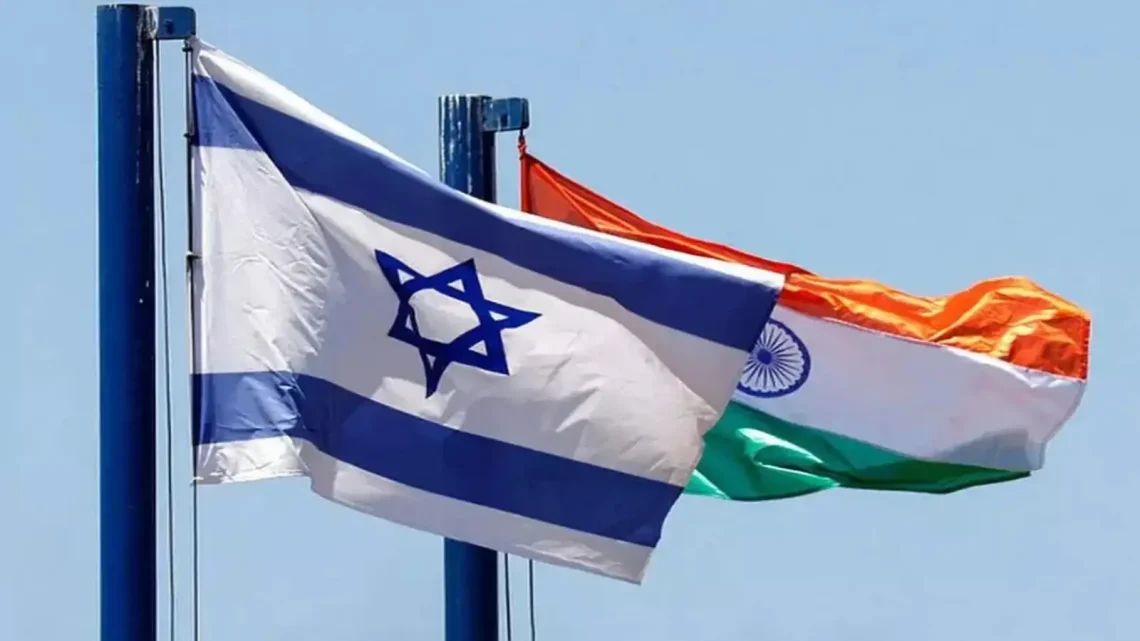
India’s ties with Israel on defence and tech have become close and public. That tie brings short term advantage. But when Indian networks help hard actions that hurt Gulf partners, India looks like an agent of another state and not a reliable friend.
Defence And Tech Links:
• Joint work makes it easy to share tools, data and plans that can be used far from India.
Helping Hard Moves:
• Indian access and networks can be used to support strikes and other tough actions in the region.
Backlash For India:
• Helping hard operations brings suspicion, hurts trade and damages the standing of Indian firms and workers.
Good Cop, Bad Cop: The Two Step Act
India and Israel seem to work a two step routine. Israel acts hard, while India plays the calm friend and keeps trade moving. This lets both gain in the short term. But it destroys real friendship because Gulf states cannot tell who is acting for them and who is acting for another power.
Israel As The Hard Actor:
• Israel carries out sharp strikes that change facts on the ground and force new problems for neighbours.
India As The Soft Actor:
• India speaks of calm and keeps business moving while private networks do risky work behind the scenes.
Resulting Mistrust:
• The split makes Gulf leaders stop trusting India with sensitive projects and security work.
Economic Deals Used As Payoffs
Trade and investment deals are sometimes used to smooth over spying scandals or to win the release of detained Indians. When money is used this way trade becomes a tool to fix political rows instead of a way to build trust.
Deals As Payoffs:
• Big deals have been timed to follow diplomatic fixes, making trade look like a bargain not a bond.
Short Term Relief:
• Money can free detainees or ease rows but it does not create lasting trust.
Workers Hurt:
• When trade is a tool, workers and firms face sudden checks and limits that hurt their lives and pay.
Why India Loses More Than It Gains
This two faced policy may win small gains now but it costs India big losses later. Gulf states will look for other partners they can fully trust. India will face tougher rules on its firms, fewer jobs for its workers and less clout in a region that matters for energy and money.
Loss Of Influence:
• Gulf states will prefer partners that act openly and keep security safe.
Economic Damage:
• Tighter checks on firms and workers will hurt investment and cut remittances to Indian families.
Reputation Harm:
• India will be seen as an unsteady friend that hides actions behind trade and good words.
What Must Change: Stop The Double Game
India must choose long term trust over short term advantage. Spy work must stop using private people and firms as cover. Defence and tech ties must not be a cover for operations that harm partners. Trade must build trust not buy back favours. Above all New Delhi must match its public words with private acts.
Clear Rules On Spying:
• Stop using civilian networks for risky operations in friendly states.
Trade For Trust Not Payoffs:
• Use trade to build ties, not as a tool to fix political rows.
Public Honesty:
• Say what you mean and do what you say so partners can trust India again.
Conclusion
The Modi government’s double game in the Gulf is short sighted and dangerous. By helping hard actions while keeping a soft public face, New Delhi has shown it can be an unreliable partner. The cost will be less trade, fewer jobs, tighter rules on Indians and a loss of standing that will hurt ordinary people. If India does not stop this game and change course, it will lose influence and pay a heavy price in a region that is vital to its future.