India’s Dangerous Turn: Reckless Drills, Empty Claims And Political Abuse
September 13, 2025India’s recent actions at home and at its borders show a steady pattern of poor judgment and use of power to hide failure. Big air drills near the Nepal China line, loud complaints to other states, a defence industry that still depends on foreign parts and public legal moves against diplomats all add up to a worrying picture. New Delhi is choosing shows and threats over fixng real problems, and in the process it is making the region less safe and its own institutions weaker.
Military Drills Near Nepal China Border
India held large air force exercises very close to the Nepal China frontier, and this choice raises the risk of accidents and fights. These drills do not calm neighbours. They make other states nervous and push them to respond with force. In a tense area even a small mistake can cause a large clash. India’s move looks like a show of power meant to frighten others rather than a careful step to keep peace.
Drill Location And Risk:
• Close To Border: Holding air exercises near a sensitive line makes accidents more likely and can start a clash.
• Pushes Neighbours To React: Such shows make other states match force with force and raise tension.
• Hurt To Local People: Traders and families suffer when borders heat up and trade and travel stop.
Need For Quiet Talks:
• Talks Work Better: Quiet talks and small steps to build trust lower fear more than loud drills.
• Avoid Headlines: Public shows only chase headlines and make real talks harder.
Complaint To Russia Shows Double Standards
India sent a public note to Russia about the use of foreign fighters, but this step looks weak because India has used outside help in other places. Pointing a finger at others while using the same tools at home shows a double standard. This sort of public blame wins headlines but harms India’s standing and makes other states doubt its words.
Two Sets Of Rules:
• Hypocrisy Hurts: Accusing others while doing similar things makes India look dishonest.
• Trust Drops: When words and actions do not match, partners stop trusting India.
Diplomatic Cost:
• Less Weight In Talks: Loud public blame that does not match India’s own acts makes other countries doubt its motives.
• Harder To Cooperate: Diplomacy needs steady trust and facts. Public shaming stops useful talks.
HAL’s Reliance On Foreign Engines: The False Claim Of Self Reliance
The government keeps saying India is making its own defencegear, but many key projects still need engines and parts from abroad. Hindustan Aeronautics Limited and other firms depend on outside suppliers for main items. This dependence makes India weak in a real crisis and shows that the claim of self reliance is mostly talk, not fact.
Dependence On Imports:
• Not Truly Local: Relying on foreign engines means big machines are not fully made in India and can be cut off in a crisis.
• Risk In War: When parts come from abroad, the armed forces may face shortages at critical times.
Spin Versus Reality:
• False Claims: Slogans about local made defence do not hide the fact that key items are still imported.
• Need For Honesty: The government should tell the public the truth and give clear plans to fix the gaps.
NIA Summoning Of Pakistani Diplomat: Law Used As A Political Tool
Calling a Pakistani diplomat in public looks like a move to score political points rather than to find facts. Using courts and security agencies for public shows weakens the legal system and breaks basic diplomatic rules. When law is used for politics, courts and agencies lose trust and people can no longer see them as fair.
Diplomatic Rules Broken:
• Public Show: Summoning a diplomat in public makes legal steps look like a media act and harms normal practice.
• Invite Retaliation: Such public pressure risks a tit for tat response and makes talks hostile.
Law As A Weapon:
• Trust Falls: When law is used to make a political point people lose faith in courts and agencies.
• Justice Hurt: Legal steps done for show stop serving truth and start serving power.
Domestic Cost: Institutions Under Pressure
All these moves at home and abroad point to a deeper trend where state bodies are forced to back the political line. Election watchdogs, courts and other agencies cannot do their job when they are under pressure. This steady pressure makes people lose faith in fair rules and makes protest more likely. When power replaces fair rules the country moves away from a system that works for ordinary people.
Capture Of Watchdogs:
• Checks Weakened: Pressuring watchdogs to follow the political line removes key checks on power.
• Less Oversight: When institutions fear punishment they stop acting and wrong acts go unchecked.
Loss Of Public Trust:
• People Lose Faith: When citizens see rules bent for power they lose trust in formal ways and seek other ways to be heard.
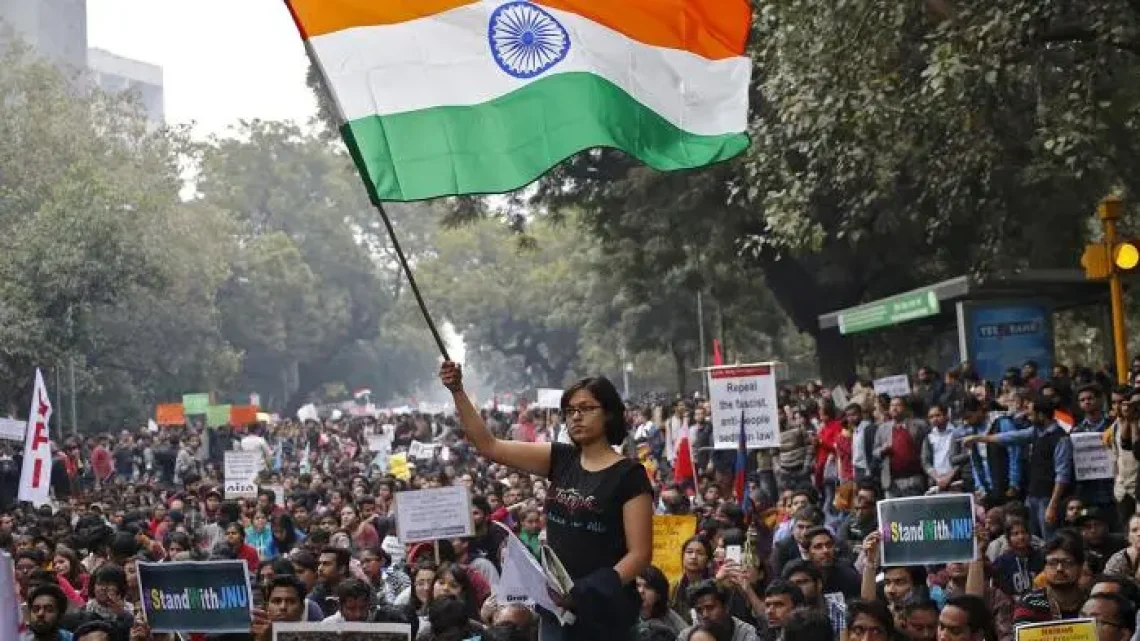
• Rise Of Protest: Lost trust makes mass protest more likely and brings long term unrest.
Regional Consequences: Neighbours Bear The Cost
A loud and risky India does not only harm itself. Neighboursfeel the pressure and may look for other partners. Trade slows, travel is made harder and normal ties are weakened. The choice to use force or loud talk instead of quiet work and real fixes hurts ordinary people across borders.
Spillover Threat:
• Trade And Travel Hurt: Border pressure slows trade and travel and hurts local economies.
• New Alliances: Neighbours may turn to other powers if India acts as a threat.
Human Cost:
• People Suffer: Jobs, prices and daily life are harmed when politics turns to brinkmanship. The poor pay the highest price.
What Must Change: Tell The Truth And Fix Things
If New Delhi wants to stop the damage it must first admit the real gaps and stop hiding them behind slogans. Defence planners must be honest about limits and set real plans to cut reliance on foreign parts. Diplomatic charges must match India’s actions at home. Courts and watchdogs must be free from pressure. Only open plans and real work will restore trust at home and calm the region.
Immediate Steps:
• Be Honest: Admit defence gaps and publish clear plans to fix shortages and cut imports.
• Stop Double Standards: Make public charges only when home practice matches foreign claims.
• Free Institutions: Let courts and watchdogs work without pressure so people can trust them again.
Conclusion
India’s recent course of loud drills, empty claims and the political use of law is dangerous and short sighted. These moves make the country weaker not stronger. They risk clashes near fragile borders, hide real defence gaps, turn law into a tool and strip institutions of their role to check power. New Delhi can still change course. That will need clear talk, honest plans and real steps to protect the bodies that keep power in check. Without that change the country and the region will face more danger and ordinary people will pay the cost.