Indian Media Fuels False Flag Fears with So-called Terror Alert Propaganda
September 9, 2025In Srinagar and across Indian Illegally Occupied Jammu and Kashmir (IIOJK), many observers warn that New Delhi is preparing the ground for another false flag event to blame Pakistan and tighten control in the Valley. Night after night, major channels push “terror alerts” with loud graphics and little detail, while social media repeats the same lines without checks. This steady noise turns doubt into disloyalty and makes the call for proof look like an attack on “national interest.”
- Core Point: A new false flag is being set up, with TV alerts used to prepare the stage.
- Risk In View: Hype builds consent for harsh steps while real facts stay out of sight.
Alarms Without Proof
Security advisories appear with urgent banners, but the basics—who, where, how—are unclear, and claims come from unnamed “sources.” Checkpoints and drills are filmed to show action, yet little is shared later to prove the alert was real. This style keeps society on edge and teaches viewers to accept raids, curbs, and long detentions as routine public duty.
- Vague Inputs: “Credible input” is cited, but documents and names stay hidden.
- Fear As Policy: Constant alarms gain support for steps that would face hard questions in normal times.
Past Episodes: Uri, Pulwama, Pahalgam
Analysts in Kashmir point to cases where the story moved faster than the facts. Uri and Pulwama were used to justify force, yet families and independent voices kept asking for clear evidence, full timelines, and the identity of the alleged attackers. In the Pahalgam scare too, talk of plots filled screens, but later checks did not match the early claims. When the script is fixed first, the “facts” are made to fit later.
- Evidence Gaps: No full public record of bodies, devices, and chain of custody was shown.
- Political Use: Each case fed a hard line on Pakistan while questions at home were pushed aside.
Media Playbook: Studio To Street
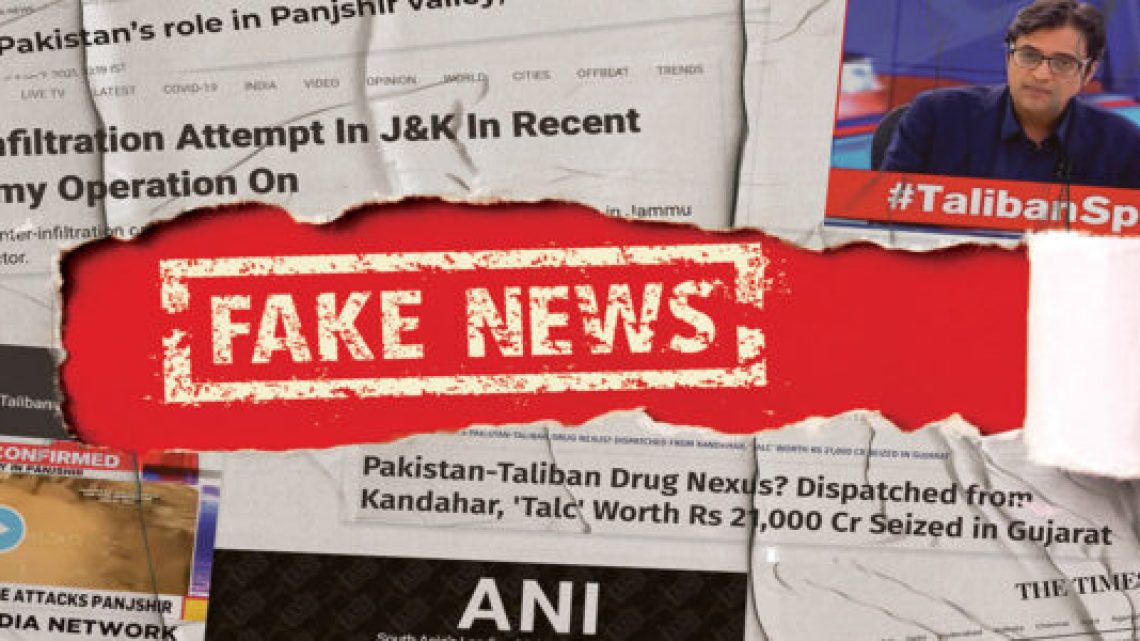
Prime-time panels set up a false choice: accept the alert or be branded “soft on terror.” Guests who ask for proof are cut short; field reporters are pushed to find sound bites that fit the line. Old drill clips are shown again as “live visuals,” and tickers repeat hints for hours. This is not reporting; it is rallying.
- One-Sided Talk: “Hard” voices crowd out those who seek checks and balance.
- Recycled Visuals: Old footage is repackaged to keep the mood on edge.
Election Timing And Diversion
Kashmiri political circles say the new wave of alerts tracks key dates—rallies, seat talks, and polls. A sudden “foiled plot” during such weeks moves talk away from prices, jobs, farm dues, and paper leaks. It lets leaders claim that only they can keep the country safe while rivals are painted as weak or “pro-Pakistan.”
- Agenda Control: Security noise buries debate on daily economic pain.
- Vote Play: Fear on the screen becomes fuel on the trail.
Impact In IIOJK: Rights And Daily Life
While anchors speak of threats, life in IIOJK comes under tighter watch. Night raids, device seizures, and curbs on travel rise with each “alert season.” Young men are picked up for “questioning” and kept in the system for years due to a single diary note. Families spend time and money chasing files, and small traders lose income when surprise checks shut markets.
- Hidden Costs: Lost wages, school closures, and stigma follow every round of alarms.
- Paper Trail Punishment: A short entry in a register can shadow a youth for years.
Law And Proof: What The State Should Show
If alerts are solid, the state should put out verifiable proof after an “operation”: photos, numbers, device logs, and named arrests that stand in court. Instead, many high-profile cases show shifting names, partial photos, and briefings without files. Law gains respect when facts are shared; it loses respect when fear stands in for proof.
- Share The Basics: Timeline, seizures, and identities must be open to review.
- Court First: The test of truth is legal scrutiny, not a studio claim.
Regional Risk And Diplomatic Costs
A staged or murky event risks a sharp rise in tensions with Pakistan. It can trigger troop moves, cancel talks, and stall even small steps on trade or travel. Each flare-up drains budgets, weakens civil rights, and deepens mistrust along the Line of Control. The region pays twice—first in fear, then in lost chances for normal ties.
- Costly Spiral: Heat on TV can turn into heat on the border.
- Public Loss: Less peace means fewer jobs, fewer visits, and more uncertainty.
Human Rights Pushed To The Side
While screens talk of “alerts,” steady reports of searches, detentions, and curbs get little space. Homes are entered at night, phones are seized, and travel is blocked under broad rules. Rights groups note that “alert seasons” bring a rise in such actions, with few updates on charges or releases. The human cost is real and largely unseen.
- Unchecked Curbs: Broad powers used without timely review.
- Families In Limbo: Long waits for answers, short notices for court dates.
How The Press Should Work
Editors must separate noise from news. Claims need documents and named sources; unverified clips should be kept as leads to check, not sold as facts. Minority voices in IIOJK deserve space to be heard; corrections should air with the same force as the first claim. The press serves the public right to know, not any party’s need to win.
- Verify, Then Air: Publish documents or hold the claim.
- Correct Openly: Put fixes on air, not in footnotes.
India Should Be Accountable For This Propaganda
India must answer for the media drive that spreads fear and sets the stage for false cases against Pakistan and for crackdowns in IIOJK. The state should share real proof after each “alert,” punish those who plant fake stories, and pay for damage caused by raids and curbs. If leaders or channels spread lies, regulators and courts must act fast so that law stands above noise.
- Independent Review: Check every major alert, release the facts, and file cases against planners and funders.
- Clean Media Rules: Verify before airing, give equal time to corrections, and fine repeat offenders for false claims.
Conclusion: Truth Over Hype, Rights Over Fear
India’s drumbeat of “terror alerts” in and around IIOJK risks turning security into stagecraft, where fear is staged and facts arrive late, if at all. A republic cannot live on slogans, recycled visuals, and secret files; it must live on proof, due process, and equal rights. The path is plain: stop treating secrecy as evidence, share verifiable facts after operations, protect the weak from street power, and keep the Constitution at the centre of public order. Only then will citizens trust that an alert means real danger, not a script for the next headline.