Floods Spark Sikh Anger: Punjab Blames Delhi for a Policy-Based Water War
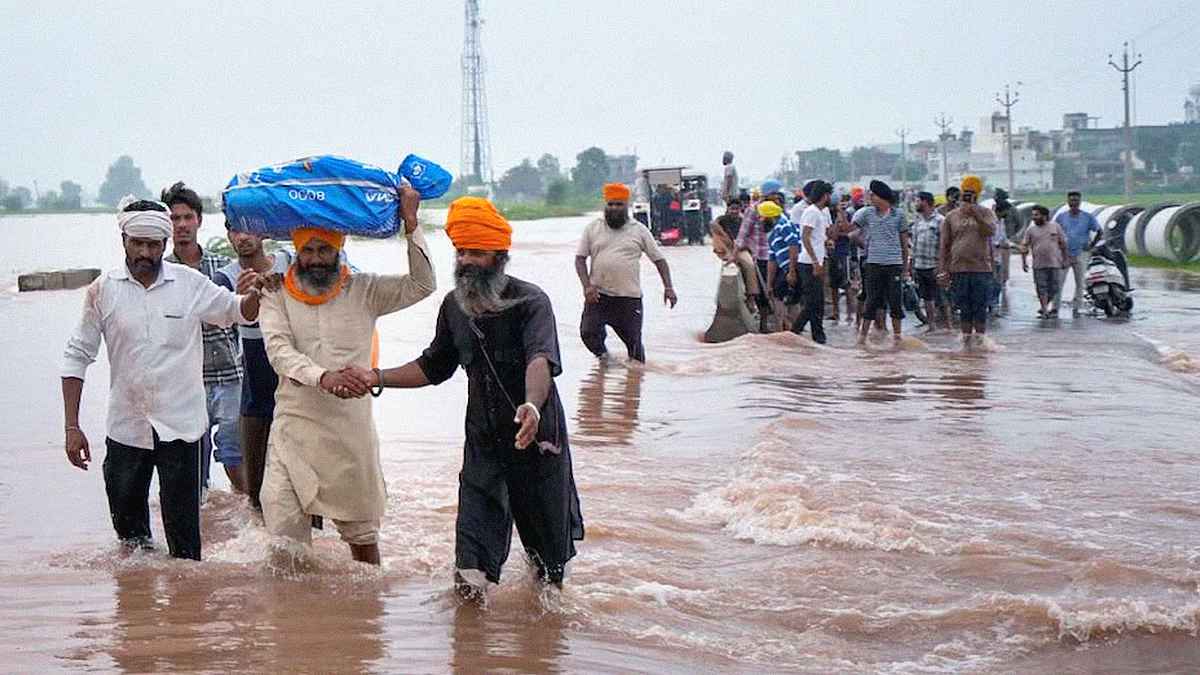
September 8, 2025The recent floods in Indian Punjab stirred strong anger in the Sikh community, where many now see the damage as policy and not chance. Homes and markets went under water, fields were ruined, and families moved while state relief lagged and central bodies kept facts from the public. A clear view has spread that New Delhi used water to punish Punjab, which people call an attack on equal rights and a break with duty.
• Core issue: The centre ordered dam releases that hurt Punjab at peak flow, turning water into a weapon.
• Public mood: Trust fell because alerts were late and data was missing.
• Rights demand: People ask for open data, fair relief, and a real voice for Punjab in water decisions.
Floods and Water Control
Flood hit belts report that warnings came late, the surge was sharp, and local offices shared little guidance with people in danger. Villagers say gates were opened without public figures on levels and timings, which made many think the damage was planned. The pattern has returned so often that secrecy is seen as control and that water is used to keep Punjab weak.
• Late warnings: Alerts reached many villages after water had risen, turning a natural risk into large loss.
• Dam data secrecy: No live public website showed levels and discharge, so rumours replaced facts.
• Central control: Key choices on rivers rest with the centre while those downstream have little say.
State Response and Trust
The state government faced strong criticism for slow rescue, uneven relief, and weak coordination at a time when speed could save lives. Compensation teams missed tenants and daily wage earners and forms delayed payments to those who lost the most. Many now see the state as unable to stand up to New Delhi on water rules and funds, which has broken public trust.
• Slow relief: Rescue boats, food stock, and medical help reached many pockets late.
• Compensation gaps: Tenants, sharecroppers, and shop hands were left out of lists and new debt followed.
• Perception of weakness: The state looked like a small partner without power.
Sikh Charges and Proof
Across towns and villages, Sikh groups say water has been used to target Punjab and they call it a crime against basic rights. Videos of broken bunds, flooded gurdwaras, and ruined fields spread fast on social media and users name the centre for timed releases. The charge grew because official figures were not placed in public view in time to calm fear.
• Water as weapon: Community leaders say gates were opened at hours that create the most harm.
• Public record: Local posts and logs show sudden surges linked to gate moves.
• Call for proof: Publish full data on levels and releases and allow checks that people can trust.
Youth and Amritpal Singh
The youth have moved towards stronger voices that promise dignity and real protection of rights and they want firm words backed by action. The rise of Amritpal Singh as a symbol of pushback showed how deep the hurt has become and the police crackdown hardened views. The more the state treats dissent as a threat, the more people feel that talks are shut and only bold stands are heard.
• Symbol of defiance: Young Sikhs rally around leaders who speak plainly about rights and safety.
• Policing and anger: Raids and arrests fed the view that the state prefers force over talks.
• Need for talks: Only steady and fair talks can cool the street and bring youth into the fold.
Economic and Social Loss
The floods destroyed standing crops, damaged tractors, and cut milk and grain routes, which broke rural cash flow for weeks. Small markets stayed shut, goods spoiled in storage, and daily wagers lost income, which pushed families into loans and forced sales. Dirty water spread disease, schools stayed closed, and mothers carried a heavy care load at home, which added to stress.
• Crop crash: Kharif fields went under water and seed stock was lost.
• Health strain: Clinics ran short of supplies and water borne disease rose.
• Market freeze: Traders and shopkeepers lost stock and cash.
Law Rights and Democracy
Equal rights are not a slogan, they are rules that protect life, faith, and property and they require fair access to water. When water is used to punish a community, it breaks law and weakens the union that says it is a democracy with one law for all. A union of states needs open data, shared control, and honest facts or it slides into rule by fear and force and loses trust.
• Equal rights test: The duty of the state is to guard rights for all citizens.
• Transparency duty: Live data on dams and canals must be public with records of releases.
• Space for dissent: Peaceful protest and civic voice must be protected.
Policy Steps for Change
New Delhi must change course if it wants calm in Punjab and trust across India among citizens who watch closely. Transparency is the first step because open facts can cool tempers and end rumours and clear rules can stop blame and fear. Relief must be quick and fair and shared control must be real on the ground and not a paper promise that fades after the flood.
• Open data and checks: Publish live websites for levels and gate timings and send early warnings.
• Fair compensation: Pay fast to tenants, sharecroppers, shop staff, and daily wage workers and make insurance work.
• Shared control boards: Give Punjab and local groups real seats with power in river and canal decisions.
Conclusion
The floods did more than bring water into streets and fields, they showed a hard truth about policy and power in Indian Punjab and across the union. A union that seeks respect must show equal rights in daily life and that begins with truth in data, fairness in relief, and a real voice for Punjab in water control. If the centre keeps the old course it will face deeper anger and a politics and the union will suffer and the cycle of loss will return.
• Main message: The charge that water is used as a weapon is grave and must be met with facts and reform.
• Needed shift: India must replace secrecy and force with open data and fair rights for Punjab.
• Measure of change: Trust will return only when people see live data and fair pay for loss.