IIOJK Leaders, Activists Facing Illegal Detention, Threats in Indian Jails
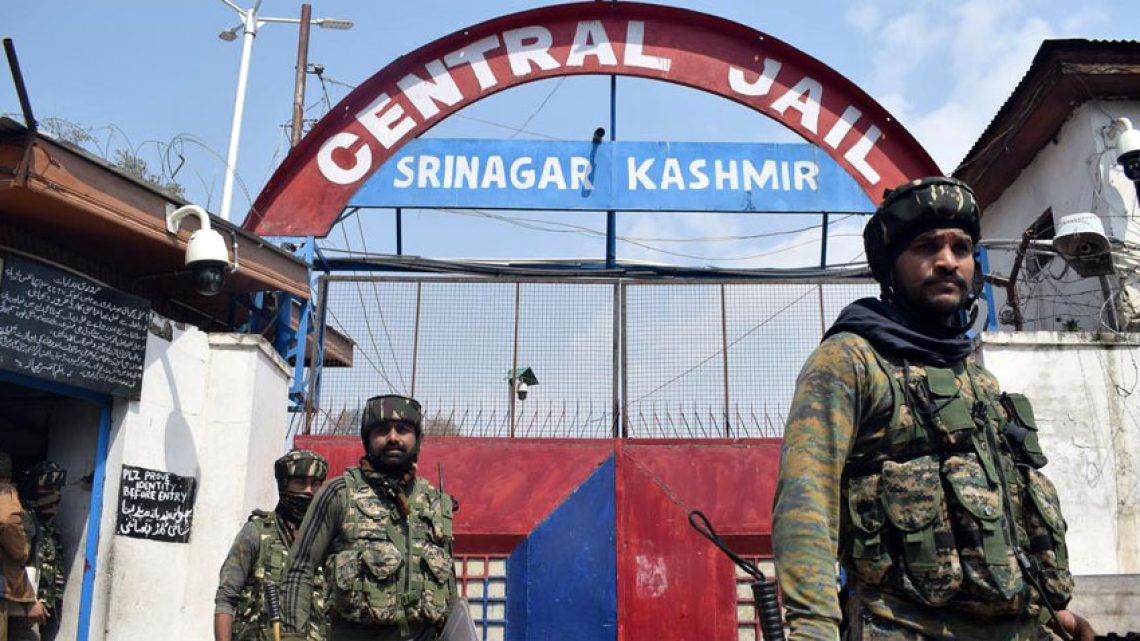
September 8, 2025More than three thousand Kashmiris are in jail in India and in Indian Illegally Occupied Jammu and Kashmir for asking for the UN backed right to self determination and for speaking about human rights. The detainees include APHC leaders, rights workers, journalists, students, youth, and ulema. Many are held under the Public Safety Act and the Unlawful Activities Prevention Act, with long isolation and moves to far jails that break family ties and add heavy cost.
• Core fact: Over three thousand Kashmiris face jail for peaceful politics and for reporting rights abuse.
• Laws used: PSA and UAPA are used to hold people for long periods with bail made very hard.
• Main concern: Long isolation and moves to far jails break families and weaken fair trial.
Harsh Laws and Mass Detention
The PSA allows detention without quick trial, and the UAPA makes bail rare, and both are now used as daily tools in IIOJK. People are picked up for protest, for posts on social media, and for news work, which chills public life. In this setup, detention becomes the first tool of rule, not the last step of law.
• Detention cycle: Orders are renewed again and again to keep people inside despite court notes.
• Low bar: Words and peaceful acts are treated as crime, which spreads fear.
• Control aim: Law is used to block basic rights, not to protect citizens.
Named Leaders and Far Jails
Senior APHC leaders and known activists remain in jail on weak and old cases that do not move to full trial. Families say many prisoners have been moved from IIOJK to jails in other states, which makes meetings rare and costly. This looks like punishment by distance.
• Stalled trials: Cases do not start or do not move, so people stay locked without closure.
• Far moves: Shifts to distant jails raise cost for families and limit access to lawyers.
• Process as penalty: Delay and distance become the punishment before any verdict.
Abuse Inside Prisons
Reports from Tihar Jail in New Delhi and other jails say Kashmiri prisoners face abuse, threats, and insults from gangs and at times from staff. Prayers are disturbed on purpose and pressure is used to break morale. Complaints rarely bring remedy, which shows a failure of duty by jail staff.
• Targeted harm: Beatings, threats, and taunts during prayers are reported by detainees.
• Duty breach: Staff fail to stop abuse and at times look away.
• Fear message: Violence inside jails is used to warn others.
Deaths in Custody and Fake Encounters
There are cases where detainees died in custody and cases where under trial prisoners were taken out and killed near the Line of Control in staged fights. The deaths of leaders like Muhammad Ashraf Sehrai and Altaf Ahmad Shah in detention shook public trust. Cases like Zia Mustafa and the killing of Tabarak Hussain after he crossed by mistake show a grave slide in standards.
• Custody deaths: Detained leaders died under state care and families seek answers.
• Staged killings: Under trial prisoners were killed near the LoC in fake encounters.
• No closure: Probes fail to fix blame and families do not get full truth.
Press and Rights Workers Under Pressure
Kashmiri journalists and rights workers face arrest and raids for reporting abuse, and names cited include Irfan Meraj and Khurram Parvez. When the press is held in fear and rights groups are blocked, facts cannot reach courts and the public. This turns the region into a blind spot.
• Chilled press: Reporters face cases for stories, field notes, and online posts.
• Blocked rights work: Offices are raided, funds are frozen, and staff are held.
• Public loss: Without free reporting, abuse stays hidden and repeats.
Family Cost and Social Pain
With thousands in jail, homes lose income and fall into debt, as travel to far prisons and legal fees drain scarce savings. Children grow up without a parent at home, schools feel the strain, and women carry a heavy load of care. Markets, mosques, and mohallas live under constant pressure.
• Money drain: Travel, lawyers, and lost work force families to sell assets and borrow.
• Child stress: Sons and daughters live with fear and long gaps without a parent.
• Community strain: Daily life bends under a steady weight of fear and loss.
Law, Democracy, and State Duty
A state that claims democracy must guard life, liberty, and dignity, and it must not use harsh laws to crush voice. Equal rights must be seen in fair trials, safe prisons, and calm streets. When the state treats a people who ask for rights as a threat to be crushed, it breaks the moral base that gives law its power.
• Rule of law: Laws must protect citizens, not silence them through fear and delay.
• Fair trial: Bail, counsel, open court, and time bound hearing are basic rights.
• Jail safety: The state must keep prisoners safe and punish those who harm them.
Steps India Must Take Now
India should end the use of PSA and UAPA as tools of control in IIOJK and release all political prisoners held without quick and fair trial. All cases should move to open courts with full defence, and each jail should face checks by an independent body with power to act. Rights groups and the press should be allowed to visit and report without fear.
• Release and review: Free those held without trial and review all harsh law cases on a set timeline.
• Open checks: Publish jail data, allow surprise visits, and protect prayer and health rights.
• Let truth work: Allow rights groups and media full access so facts can guide reform.
Conclusion
The record from IIOJK shows a system where harsh laws hold people without fair trial, where prisons breed fear, and where deaths in custody and fake encounters have taken place. This path bends law and breaks trust and it will not bring peace. If New Delhi wants calm and respect, it must choose real law, free those held without cause, and let courts and the press work with full safety.
• Main message: Detention without fair trial in IIOJK is an abuse of law and a blow to trust.
• Needed change: End misuse of harsh laws, protect prisoners, and open the region to court and press.
• Sign of progress: Freedom for detainees, clean jail records, and justice seen in open court.