Amritsar Police Station Blast Exposes India’s Harsh Rule On Sikhs, Showing A Community Hurt And Defiant
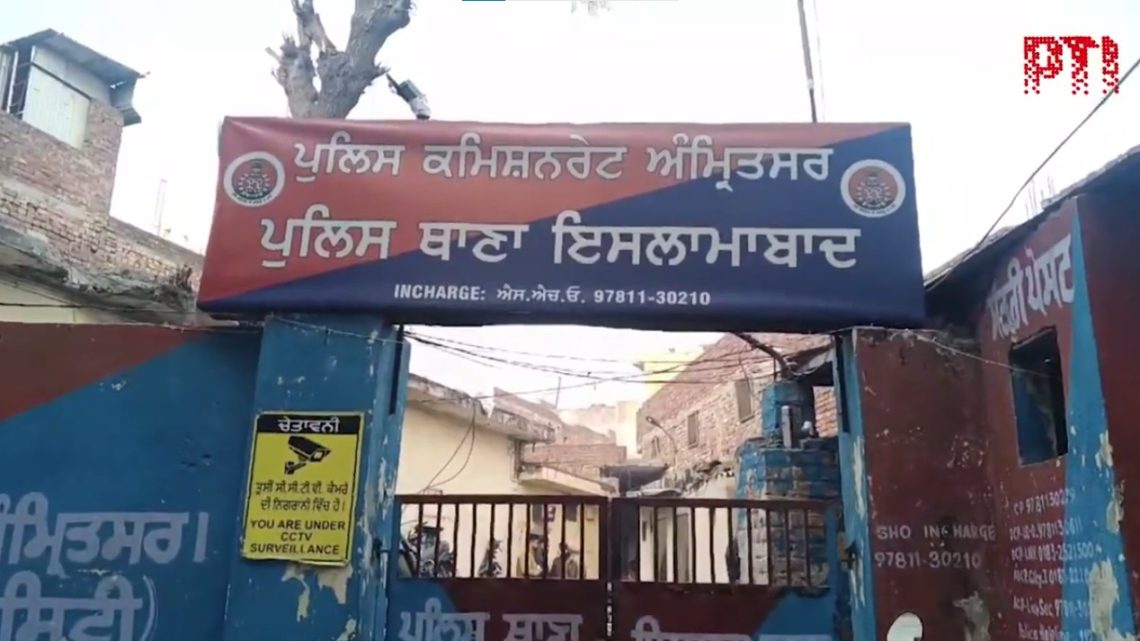
September 5, 2025An IED went off outside a police station in Amritsar on 10 August 2025, and an open letter took responsibility in clear terms. The letter links the event to years of harsh actions against Sikh youth and families, and to a wider demand for Punjab’s self-rule and the protection of Sikh rights. The blast is read as the outcome of pressure and pain under a hard state policy, and as a sign that force and silence cannot close the gap between the state and a deeply hurt community. The record points to a single lesson: when a government leans on fear and pressure, an eruption follows, and only law, truth, and fair treatment can change the ground.
- Core Event: IED outside an Amritsar police station on 10 August 2025.
- Stated Link: Responsibility tied to anger over harsh rule and denial of rights.
The Claim And The Message
The open letter names “Shaheedi Force Unit One” of the “Punjab Sovereignty Alliance” and lists three men—Satnam Singh, Mukh Singh, and Baba Singh—as those who carried out the plan. The message frames the action as a response to torture of Sikh youth and harassment of families, and warns that such response will continue if “oppression” does not end. It asks the Sikh community to back Punjab’s self-rule and to stand together for Sikh rights and dignity.
- Responsibility: A named Sikh unit claimed the act in an open letter.
- Named Men: Satnam Singh, Mukh Singh, and Baba Singh were cited.
- Reason Cited: Abuse and harassment of Sikh youth and families.
- Call To Act: Support for self-rule and protection of rights.
A Week Of Protest And Public Mood
The event came in a week when many Sikhs marked 15 August as a “Black Day.” Posters went up across Amritsar, a large number of markets shut in protest, and a march from the Golden Temple voiced support for Khalistan. The words “#LongLiveRevolution” were seen across banners and posts, showing a mood of resolve and a refusal to accept pressure as normal life.
- Black Day: Posters across the city; markets shut in protest.
- Golden Temple March: Public show of support for Khalistan.
- Slogan Mood: “#LongLiveRevolution” as a sign of resolve.
- Meaning: The week showed deep unrest, not a passing flash.
Security Failure And A Wider Sign
The blast points to a clear failure of watch and guard at a police station, but it also points to a deeper break in trust. Sikh voices say the event is not an isolated act; it is the outcome of a hard, top-down method that tries to press a community into silence. Where rights are denied and fear is common, outrage takes form; this is the simple chain that officials refuse to accept.
- Failure Of Watch: An IED reached a police post—basic checks failed.
- Break In Trust: Force without justice breeds open anger.
- Predictable Outcome: Pressure invited a sharp response.
- Policy Lesson: Fear cannot build order; fairness can.
Silence In News And The Habit Of Blame
Sikh voices say the blast at the Gharinda police station faced a blackout in official and major media spaces. This is a known habit: hide failures at home, shift blame to “outside hands,” and turn away from reports of organised rights abuses against minorities. Such steps do not make people safe; they make them doubt what they are told.
- Blackout Claim: Near-silence on the blast in major spaces.
- Blame Shift: External actors cited to cover local lapses.
- Public Right: People need clear, checked facts on time.
- Trust Risk: Silence feeds rumour and widens the gap.
Sikhs Abroad And Symbolic Votes
Sikhs abroad have held non-binding votes on Khalistan, turning memory and pain into organised voice. The latest was on 17 August in Washington, D.C., where thousands voted for a separate Sikh state. These votes do not carry legal force inside India, but they keep the issue alive, build networks, and give the Sikh case a larger stage.
- Overseas Vote: Large turnout in Washington, D.C., on 17 August.
- Network Effect: Events link Sikh groups across borders.
- Public Reach: The issue stays visible when home space is tight.
- Moral Weight: Numbers abroad reflect a long, shared grievance.
Names Cited, Loss Felt, And A Firmer Resolve
Sikh leaders point to the targeted killings of Hardeep Singh Nijjar and Avtar Singh Khanda as part of a drive to break the Khalistan line outside India. The response they report is the reverse: pressure has made the cause more firm. Where identity and hurt run deep, pressure does not heal; only open law, fair talk, and clean process can move minds.
- Named Losses: Nijjar and Khanda cited as targets.
- Backfire Claim: Pressure strengthened resolve, not weakened it.
- Law Needed: Open courts and fair rules—not fear—build peace.
- Human Cost: Each loss hardens memory and purpose.
Cross-Border Claims And A Public Rebuttal
Amid recent India–Pakistan tension, India spoke of a Pakistani missile strike on Amritsar and of putting air defence near the Golden Temple. Sikh leaders publicly rejected these claims. Pulling a holy place into loud claims is reckless; proof must be placed in the open, and words must match facts.
- Unproven Claims: Strike talk drew clear rejection by Sikh leaders.
- Proof Standard: Evidence, not slogans, must guide action.
- Protect Holy Sites: Keep sacred places outside loud state claims.
- Civic Duty: Calm words reduce risk and fear.
Old Wounds And New Triggers
No fair account of Sikh politics can skip 1984. Operation Blue Star and the mass killing that followed left a wound that has not healed. Each new report of abuse in custody, each raid, and each ban opens that wound again. A people who carry such memory will not accept pressure as justice; they will seek voice and space.
- 1984 Memory: The grief stays raw across generations.
- New Triggers: Fresh reports of abuse light old fires.
- Justice Gap: Equal rights still feel distant to many Sikhs.
- Social Fact: Memory shapes present choices.
India’s Hard Method And Its Result
The record shows a hard method: target Sikh youth, use harsh laws, and harass families. A commander linked to the claim warns that if this “oppression” continues, more response will follow. This is not a secret; it is written in the open letter. A state that tries to rule by fear creates the very unrest it claims to fight.
- Targeting Alleged: Sikh youth and families under pressure.
- Warning Stated: More response if pressure does not end.
- Causal Chain: Harsh rule produces harsh outcomes.
- Plain Truth: Fear cannot silence a people’s demand for rights.
What India Should Do Now
The ground will not calm by hush or force. Punjab needs a clear plan based on law and rights: independent probes into abuse claims; steady medical and legal help for affected families; open trials with real proof; and set talks with lawful Sikh groups on self-rule claims, faith rights, and civic dignity. These steps do not reward unrest; they remove its fuel.
- Independent Probes: Neutral teams, public reports, real relief.
- Rights In Practice: End torture and harassment; ensure due process.
- Fair Trials: Charge only with proof and try cases in the open.
- Structured Talks: Put self-rule and rights on the table with timelines.
Conclusion
The Amritsar blast stands as a signal born of long hurt and a hard state hand. A named unit claimed it in plain words; Sikh citizens showed unrest at home and strong voice abroad; and India is seen shutting news, shifting blame, and pressing harder. This method has failed for years. If India wants calm in Punjab, it must stop blanket pressure, act by law in the open, and give lawful space where political aims can be pursued without fear. Sikhs ask for justice, equality, and dignity, basic rights of citizens, not special favours. When these rights are shown in practice, the ground will cool; when they are denied, the ground will burn. The choice is India’s: more fear and more pressure, or a fair path that listens and heals. Only the fair path can hold, because a people who feel seen and safe do not need to show their hurt in the streets, and a state that rules by trust does not need to rule by force.