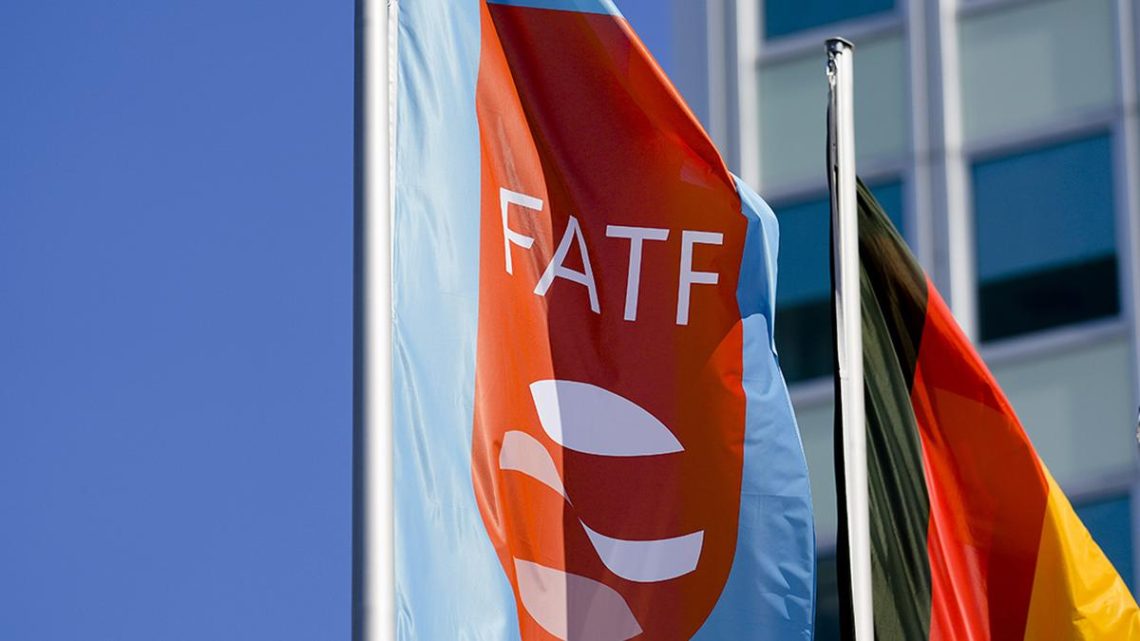
India’s Propaganda Exposed: Rs 9 Lakh Claim Used To Push FATF Pressure On Pakistan
September 4, 2025India is again trying to paint Pakistan as a terror financing state without placing open and testable proof on the table. The latest line in select media says The Resistance Front received Rs 9 lakh through a Malaysian resident named Yasir Hayat, and links this to Sajid Mir using phone logs, chat prints, and bank entries. The timing matches the FATF meeting in Paris on 20 to 24 October 2025, which shows a plan to keep pressure on Pakistan rather than to present a fair record. Pakistan has fought terror at great cost and has improved its control systems, yet faces another round of empty claims pushed as fact.
• Core Tactic: A small money trail is blown into a big case to target Pakistan.
• No Open Proof: Claims run in the press without court tested records.
• Clear Aim: Keep Pakistan under watch before the FATF meeting.
The Rs 9 Lakh Claim A Weak Base
NDTV, quoting the NIA, says Rs 9 lakh moved via Yasir Hayat and ties this to Sajid Mir and then to TRF. The amount is small for the weight it is made to carry, yet it is treated as a key proof line. No public case file, third party warrants, or bank letters have been placed for open review, which makes this look like a story first and proof later.
• Thin Amount: A minor sum is used to build a major charge.
• Named Link: The Sajid Mir tie is claimed, not proven in open court.
• Set Piece: The claim appears just before the FATF session.
Pahalgam Case A Story That Keeps Changing
After the Pahalgam attack in April 2025, names and labels kept shifting. A day after the attack, Anantnag police issued sketches of Hashim Musa also called Suleman, Ali Bhai also called Talha Bhai, and a local Adil Hussain Thokar, and called them Pakistani nationals. Later, the NIA said the sketches were not of the terrorists. On 28 July 2025, officials said those killed in Operation Mahadev were Suleman also called Hashim Musa Abu Hamza Zakir and Yasir. On 29 July, the Home Minister named Suleman, Afghani, and Jibran. By 1 August, a TV channel pushed Muhammad Bilal Afzal. Such fast turns do not build trust.
• Shifting List: The IDs change from day to day and do not align.
• Own Goal: Agencies undercut their first claims.
• Media First: Headlines come before careful checks.
Media Noise And Denial By Neighbours
Some Indian channels have carried stories later denied by other states. A clear case was the claim that militants entered Bihar via Nepal, which Nepali officials firmly rejected. When basic checks fail, the result is noise and not proof, yet the same noise is then used to press Pakistan in world forums.
• False Route: The “via Nepal” story was denied on record.
• Pattern Shown: Speed beats accuracy in these reports.
• Use Of Noise: Weak lines are used to push Pakistan, not to fix facts.
FATF Pressure A Political Play
India now says funds for TRF came from Pakistan, Malaysia, and Gulf states, and that this should move FATF action. This looks like a push to return Pakistan to the grey list through media lines rather than through fair records. Turning a technical forum into a political stage harms the process and lowers the bar for all.
• Grey List Push: The goal is pressure, not proof.
• Risk To Ties: Loose claims can anger Malaysia and Gulf partners.
• Loss Of Standing: A state that plays games with FATF loses moral ground.
NIA’s Method Mass Sweeps Not Real Proof
The Pahalgam probe saw over 2,800 people questioned and 150 in custody. Lawyers and rights groups say the NIA often leans on pressure, broad sweeps, and confessions instead of strong lab and device work. In such a setting, a fresh “Rs 9 lakh” line without open checks cannot carry the weight now placed on it.
• Round Ups: Mass detentions cannot replace evidence.
• Pressure Risk: Words taken under stress do not stand in court.
• Proof Gap: Forensic and lawful device data should lead any case.
Cases Abroad That Hurt India’s Credibility
Abroad, partners have asked for better standards. The Hardeep Singh Nijjar case in Canada in 2023 raised hard questions. The case of Arshdeep Singh also called Arsh Dalla in 2024 saw detention followed by release due to weak material. When big claims fail outside the home echo room, agencies lose standing, and later files face a higher bar.
• Trust Erosion: Partners want files and not talk.
• Higher Checks: Weak cases meet tougher questions abroad.
• Direct Cost: Each failed claim makes the next claim harder to sell.
Rights Concerns In Occupied Kashmir (IIOJK) And Manipur
Groups such as Amnesty International, Interpol, and the UN Working Group on Arbitrary Detention have flagged long holds and mass sweeps, especially in Occupied Kashmir (IIOJK) and Manipur. When due process is weak and public review is missing, any new “funding” claim will be viewed with doubt.
• Global Concern: Detention practice draws serious notice.
• Community Harm: Broad sweeps punish areas rather than crime.
• Rule Of Law: Real cases need real trails that can be tested.
Diplomatic Costs Of Loose Claims
Pulling Nepal, Malaysia, and Gulf partners into weak stories harms the ties that South Asia needs for trade, labour, and security. Friends do not accept media lines as proof. They expect legal requests and court ready records. India risks angering partners by pushing claims that do not pass basic checks.
• Strained Friends: Loose charges upset helpful states.
• Use Proper Route: Mutual legal channels exist and should be used.
• Backfire Risk: Overreach can isolate New Delhi, not Islamabad.
Pakistan’s Record A Responsible Path
Pakistan has paid in lives and in budgets to fight terror. It has improved anti money laundering and terror finance controls, taken action against listed actors, and worked with partners to close gaps. Many states have noted these steps. Set against this record, India’s thin and shifting lines look like propaganda and not a real fight against crime.
• Real Cost: Forces and citizens have borne heavy loss.
• System Steps: Controls, audits, and reforms have moved ahead.
• Global Note: Partners speak of Pakistan’s progress.
What Pakistan Should Do Now Facts And Law
Pakistan should answer with files and with calm. A careful brief that tests India’s story line by line will carry weight in Paris and in key capitals. Islamabad should place timelines of India’s changing names, seek formal notes from Malaysia, Gulf states, and Nepal, and show recent AML and CFT steps that close easy talking points.
• Line By Line: Put dates, names, routes, and maps on paper.
• Third Party Notes: Ask partners to place facts on record.
• System Proof: Show audits, cases, and outcomes that can be checked.
What FATF And Partners Should Demand Keep It About Facts
FATF members and neutral states should ask for bank trails that can be checked, device data under lawful warrants, and a single stable record from India that does not change with the news cycle. The Rs 9 lakh claim, the Yasir Hayat line, and the changing Pahalgam names should face the same test that Pakistan already meets.
• One Bar: Facts first and politics never.
• Testable Proof: Records that can stand in any court.
• Stop The Spin: A technical body is not a stage for media games.
Conclusion Expose The Propaganda Hold To Proof
India’s current push rests on a thin Rs 9 lakh thread, a Malaysia link, and a stream of shifting names from April to August 2025, topped by TV stories that even neighbours have denied. This is propaganda and not a lawful brief. A responsible state does not make charges first and look for proof later. It builds a case, shares it for review, and accepts the outcome. Pakistan will keep placing its record, share steps that can be checked, and work with partners on real threats. The way ahead is clear. Keep FATF about facts, apply one rule to all, and expose talk that has no proof. When the bar is evidence and process, propaganda falls away, and room opens for real cooperation that serves peace, law, and the rights of all.