Nepal Police Expose False Bihar Terror Propaganda Against Pakistan: Three Pakistanis Flew to Malaysia
September 1, 2025Nepal denied Indian reports that three “Jaish terrorists” slipped into Bihar through Nepali soil, and said the men flew from Kathmandu to Kuala Lumpur on separate flights. This one fact undercuts a loud claim pushed in a heated poll season. The episode shows how fear is used in politics, how neighbours are blamed without proof, and how such tactics hurt trust and peace across a close border.
The Bihar Claim Before Polls
Bihar Police issued an alert saying three Pakistani nationals had entered the poll-bound state from Nepal and were tied to a banned group. The timing raised concern because such untested claims can shape voter mood and drown out debate on jobs, prices, health, and roads. Within hours the story spread across channels and social media, where heat moves faster than facts and labels land before checks.
Nepal’s Clear Rebuttal
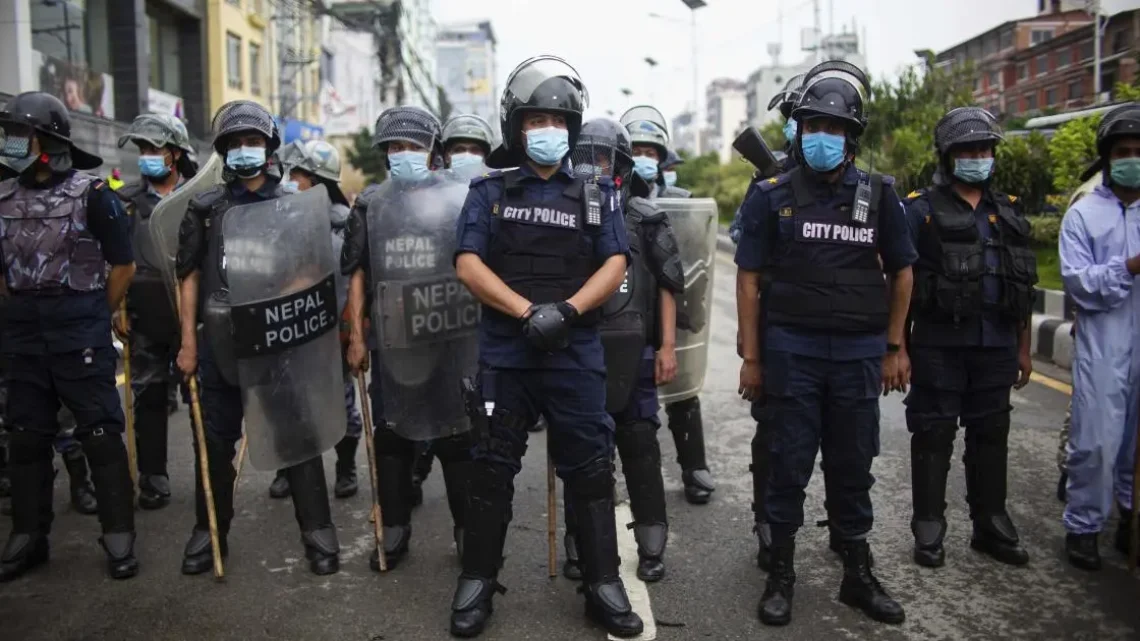
Nepal Police moved quickly and gave a clear statement. They said the three Pakistani citizens did not enter India; rather, they left Nepal by air for Malaysia, each on a different flight at different times. This official word from a neighbour directly contradicted the Bihar Police claim. It was a firm correction backed by airport logs and immigration stamps that can be checked by any authority.
Records That Set the Facts
Kathmandu airport stamps and airline records showed straight-line departures to Kuala Lumpur. There was no trail toward the Indo-Nepal border, no bus ticket, no land crossing entry, and no CCTV path that could support a move into Bihar. The paper trail pointed one way only: out of Nepal and onward to Malaysia. In border work these records are plain facts that speak louder than studio talk.
Workers, Not Militants
The three men were named as Adil, Hasnain, and Usman. Nepal described them as ordinary job-seekers on their way to overseas work, not militants. Their route and papers matched a common pattern used by South Asian workers who transit through Kathmandu to reach jobs in Southeast Asia. There was no cache, no local cell, and no act that could support a terror tag. They had visas, tickets, and routine travel histories.
How a False Scare Travelled
The claim was repeated on talk shows with big graphics and music. Labels were used first and checks came later. When corrections followed, they were brief and quiet, while the initial scare had already filled headlines and feeds. In this way a false line gained more air than the truth that later set it right, and fear crowded out sober debate.
Election Play and Media Role
Opposition voices in Bihar called it an election ploy by the BJP, saying a fake scare was used to sway voters. The pattern looked familiar: raise alarm, push talking points, and add pressure in a close race. Newsrooms should have demanded documents before running names, yet many did not. Election-time reporting needs care; careless heat turns into a tool of politics and leaves the public less informed.
Habit of Blaming Pakistan
The Modi government has often tried to link Pakistan to security issues without placing full proof in public view. Here an independent neighbour, Nepal flatly rejected the Indian line. The attempt to malign Pakistan fell flat, and the case joined a list of charges that broke down when tested. Habitual blame may help short-term politics, but it damages credibility and limits space for real regional work.
Nepal’s Responsible Conduct
Nepal handled the moment with calm. By relying on airport logs, airline records, and immigration stamps, Kathmandu showed how a responsible state acts when politics heats up across the border. The message was firm but polite: respect facts, respect borders, and do not drag a neighbour into election drama. Such conduct protects sovereignty and keeps ties steady in a sensitive belt.
Due Process, Not Propaganda
Counter-terror work needs due process, chain of custody for evidence, and measured words. To name people as terrorists first and verify later is reckless. It puts lives at risk, fuels hate, and makes future police work harder. Alerts should be checked across agencies and with neighbours before going public. A short pause to test facts is better than a loud alarm that later proves false.
The Price of False Alarms
False alarms pull officers off real duties, strain budgets, and frighten ordinary people. Shops close early, transport slows, and some communities feel targeted. Worst of all, repeated hype makes the public doubt genuine warnings. In the long run this habit leaves everyone less safe, because credibility is lost. Without credibility even true alerts fail to move people in time.
What Good Policing Requires
Good policing means verify first, speak later. It means quick contact with neighbours, fast exchange of travel data, and joint review of claims that can spill across borders. A clear written plan—who to call, what to check, how to record—prevents panic and protects credibility. In border belts this is basic good practice, not a luxury, and it should be drilled often.
Simple Cross-Border Tools
The region should adopt simple shared tools: district-to-district hotlines along the border; a standard form for asking and sharing travel records; and agreed words for alerts during election periods. Joint drills on crisis talk can help police and media handle sensitive cases without adding heat. Small steps save time, money, and trust and keep focus on real threats, not invented ones.
Media Duty and Public Trust
Editors and anchors must avoid trial by headline. If a claim names Pakistan or a banned group, the test should be stricter, not softer. Newsrooms should ask for documents, confirm with more than one source, and give equal space and tone to corrections when facts change. The public interest lies in balance, not noise, and a steady record of fairness builds trust.
Conclusion:
Nepal’s firm denial exposed a false scare used to heat up an election season. The three Pakistani citizens Adil, Hasnain, and Usman left Kathmandu by air and reached Kuala Lumpur; they did not enter Bihar from Nepal. India’s attempt to frame Pakistan failed when tested against documents from a neighbour. The lesson is clear: security is too serious for slogans and must rest on facts, due process, and respect for neighbours.