37 Years of Enforced Disappearances: Kashmir’s Unhealed Wounds
August 30, 2025For 37 years, families in Indian Illegally Occupied Jammu and Kashmir (IIOJK) have lived in constant pain, waiting for answers about their missing loved ones. These enforced disappearances, carried out by Indian forces, have left deep emotional scars on the community. Despite decades of searching, the victims still have not received justice. This article examines the ongoing issue of enforced disappearances and the continuing suffering of the families involved.
A Legacy of Pain and Loss
Enforced disappearances in IIOJK have left families devastated. Thousands of Kashmiris, mostly young men, have vanished after being detained by Indian forces, never to return. According to Kashmir Media Service, over 8,000 people are still missing. Families live in constant uncertainty, enduring emotional and psychological suffering. The pain of not knowing whether their loved ones are dead or alive remains unresolved, deeply affecting Kashmiri society.
Youth: The Main Target of Enforced Disappearances
Young Kashmiris have been the primary victims of enforced disappearances. Since the conflict began in 1989, Indian forces have targeted young men in particular. With over a million troops deployed in the region, the rise in arbitrary arrests, fake encounters, and custodial killings has been a direct result of India’s efforts to suppress the Kashmiri resistance. These abuses have left a lasting impact on the younger generation, who have been the focal point of this brutal campaign.
The Suffering Families Face
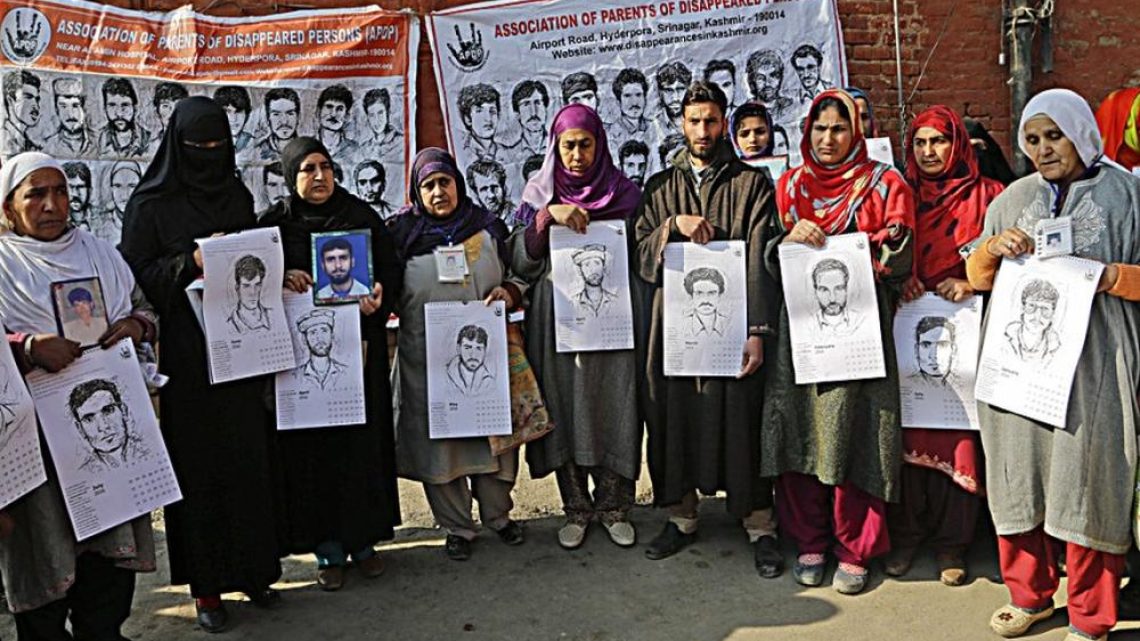
The families of those who disappeared have faced both emotional and financial hardship. Many of the victims were the sole providers in their families, and their sudden disappearance has led to severe economic struggles. The emergence of terms like “half-widows” and “half-orphans” reflects the social and emotional impact on those left behind. These families continue to endure without closure, as the search for their loved ones yields no answers.
Enforced Disappearances as a Tool of Fear
The practice of enforced disappearances has not only devastated families but also instilled a sense of fear in the broader Kashmiri population. It has created an environment where people are afraid to speak out against Indian occupation, fearing that they too could disappear. This fear is used as a tool to stifle dissent, ensuring that any form of resistance remains suppressed. The fear of detention and death hangs over every individual in IIOJK.
Impunity for Indian Forces
One of the main reasons why enforced disappearances continue is the impunity granted to Indian security forces. Laws like the Armed Forces Special Powers Act (AFSPA) and the Disturbed Areas Act protect security personnel from prosecution, allowing them to carry out abuses without consequence. These laws have allowed enforced disappearances to continue with no accountability, as perpetrators are shielded from any form of justice.
The Ongoing Fight for Justice
The families of the disappeared have been denied justice for years. Organizations like the Association of Parents of Disappeared Persons (APDP) have fought tirelessly for answers, but their peaceful protests have often been suppressed by the Indian government. The BJP-led regime has banned these protests and denied families the right to seek justice. This refusal to acknowledge the families’ suffering has only deepened the emotional and social wounds in Kashmir.
International Indifference to Human Rights Violations
Despite widespread international condemnation of enforced disappearances in Kashmir, the Indian government has shown little willingness to address the issue. While the United Nations and various human rights organizations have called for action, India continues to dismiss these calls. The lack of international pressure has allowed these human rights violations to continue without consequence. The global community must step up to hold India accountable for its actions.
A Dark Chapter in Kashmir’s History
Enforced disappearances are one of the darkest chapters in the history of Kashmir. These disappearances have been ongoing since 1989 and have affected thousands of families. The practice remains a gross violation of human rights and continues under the shadow of India’s military occupation. Despite global criticism, the Indian government has failed to take any meaningful steps to end these abuses or provide justice to the victims.
India’s Role in Continuing the Crisis
The Indian government has not only failed to stop the practice of enforced disappearances but has actively worked to cover up these crimes. By silencing those who seek answers, denying families access to information, and ignoring their demands for justice, India perpetuates the suffering of the Kashmiri people. The government’s refusal to acknowledge or address this issue highlights its disregard for human rights in the region.
The Call for Global Action
The families of the disappeared continue to demand justice, but their cries remain unheard by the Indian authorities. The international community must play a key role in addressing this issue and pressuring India to end the practice of enforced disappearances. It is crucial that global human rights organizations, as well as foreign governments, push for accountability and support the victims’ families in their search for justice.
A Continuing Struggle for Accountability
The struggle for justice and accountability continues in Kashmir. The enforced disappearances, which have caused immense suffering, must be brought to an end. The families of the disappeared deserve the right to know the truth about their loved ones. The international community must help bring attention to this issue and demand that India be held accountable for these ongoing crimes.
Conclusion
The issue of enforced disappearances in IIOJK remains a major human rights crisis that has affected thousands of families for over 37 years. The Indian government’s failure to address this issue and provide justice to the victims continues to deepen the wounds of Kashmiri society. The international community must act now to ensure that those responsible are held accountable and that the victims’ families receive the closure they deserve. Kashmir’s future depends on ending these human rights violations and bringing justice to those who have suffered for far too long.