Mirwaiz Calls for a Unified Effort to Secure the Release of Kashmiri Detainees and Urges Collective Action for Justice
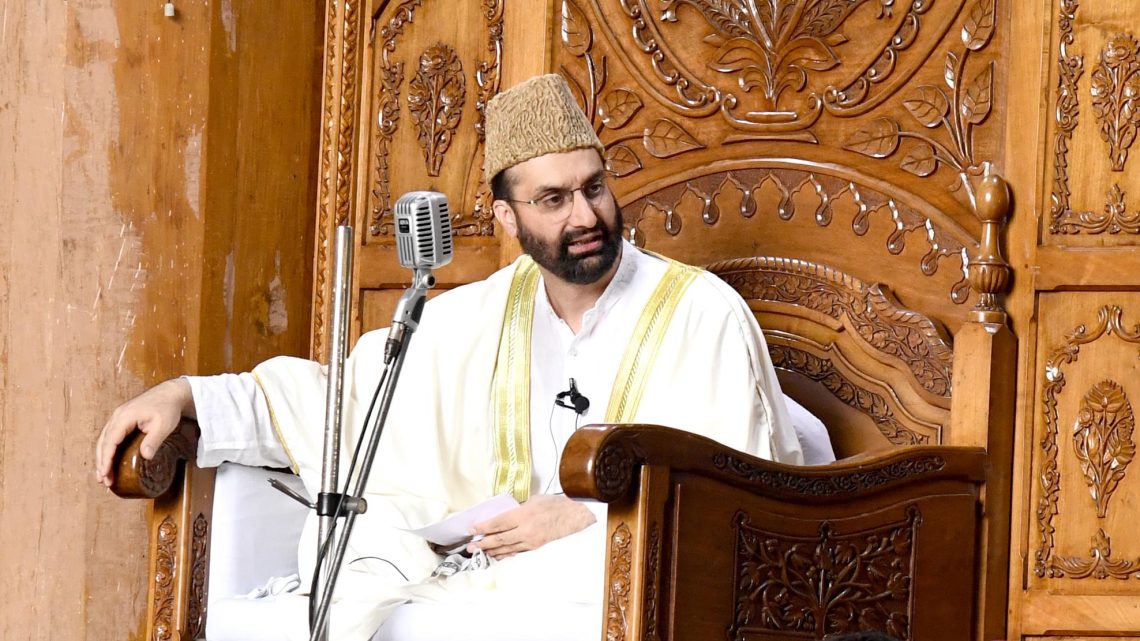
August 27, 2025 Off By Sharp MediaMirwaiz Umar Farooq, leader of the All Parties Hurriyat Conference (APHC), has called for a united effort to free thousands of Kashmiri detainees. Issued just before Rabi-ul-Awwal, his message stresses that Kashmiris must put aside political divides and work together to address the humanitarian crisis. At the same time, he draws inspiration from the teachings of Prophet Muhammad (PBUH) as a moral guide for confronting contemporary challenges.
The Plight of Kashmiri Detainees
The detention of thousands of Kashmiris, many without trial, remains one of the most serious injustices of the ongoing conflict. These detainees face harsh conditions in jails, and many have been imprisoned for years without legal proceedings. Families suffer in silence, with no justice in sight. Mirwaiz Umar Farooq highlighted the need for collective action, stating, “Efforts to highlight the plight of the thousands of Kashmiri prisoners, and for their relief and release is the moral responsibility of all Kashmiris across the board.”
The Need for Unity in Action
Mirwaiz’s call for unity is critical. “A joint effort in this regard by all is the need of the hour, if we really want to help them,” he said. This plea urges Kashmiris, regardless of their political backgrounds, to come together for the common goal of freeing detainees. The issue must rise above political conflict and become a shared mission to secure justice.
Avoiding the Politicization of Human Rights
Mirwaiz warned against using the detainee issue for political gain. He said, “Playing politics even on this humanitarian issue will be a shame.” His message emphasizes that human rights issues must remain above political maneuvering. The suffering of detainees should not be exploited for partisan advantage. The focus must be on justice, not political agendas.
The Role of Civil Society in Securing Justice
Mirwaiz also called on civil society to take action. “I appeal to all political and social groups and members of the civil society to come together,” he stated. Civil society organizations can play a crucial role by raising awareness, organizing protests, and pressuring authorities to act. Their involvement can amplify the detainees’ voices and ensure their issue receives the attention it deserves.
Rabi-ul-Awwal: A Time for Reflection
As Muslims observe the month of Rabi-ul-Awwal, Mirwaiz extended his greetings and reminded them of the importance of reflecting on the life and teachings of Prophet Muhammad (PBUH). “This sacred month marks the birth anniversary of Prophet Muhammad (Peace Be Upon Him), the final messenger of Allah, whose arrival brought enlightenment and guidance to humanity,” he said. Rabi-ul-Awwal is a time not only for celebration but for deep reflection on the moral and ethical lessons the Prophet’s life offers.
Incorporating the Teachings of Prophet Muhammad (PBUH)
Mirwaiz urged Muslims to live by the teachings of Prophet Muhammad (PBUH). He stressed, “By incorporating the comprehensive teachings of the Prophet (PBUH) into our daily lives, we can navigate the challenges of our time and strive towards a just and compassionate society.” The Prophet’s life offers invaluable lessons on justice, fairness, and compassion, which are just as relevant today in addressing societal issues, including the plight of Kashmiri detainees.
Justice as the Core Principle of Islam
Justice was the foundation of Prophet Muhammad’s (PBUH) leadership. His life exemplified fairness, commitment to truth, and a relentless pursuit of justice for all, regardless of their status. Mirwaiz’s call to follow the Prophet’s example is a reminder that the struggle for justice in Kashmir must be guided by these same principles. Muslims must demand fairness for the detainees and work for a just society in line with the Prophet’s values.
The Role of Religious Leaders in Promoting Justice
Mirwaiz also highlighted the important role religious leaders, scholars, and educators play in shaping society’s moral compass. They must guide their communities to uphold justice and stand against oppression. Religious leaders are not only responsible for spiritual guidance but for encouraging social change and advocating for the rights of the oppressed, including the detainees.
A Time for Renewal and Commitment to Justice
Rabi-ul-Awwal is not just a time for spiritual reflection but for reaffirming one’s commitment to justice. Mirwaiz urged, “May this month be a time for introspection, renewal, and a reaffirmation of our commitment to following the path of Prophet Muhammad (PBUH).” This renewal is not limited to personal spirituality but extends to the community’s responsibility to work for justice, particularly in the case of Kashmiri detainees.
Justice and Unity for Kashmir
In conclusion, Mirwaiz Umar Farooq’s call for a united effort to secure the release of Kashmiri detainees is both a political and moral appeal. The detainees’ suffering requires immediate attention from all Kashmiris, irrespective of political affiliations. By coming together, Kashmiris can demand justice and ensure the rights of detainees are upheld.
Reflecting on Prophet Muhammad’s (PBUH) Teachings
Mirwaiz’s message on Rabi-ul-Awwal serves as a reminder to Muslims to reflect on the life and teachings of Prophet Muhammad (PBUH). The Prophet’s principles of justice, equality, and compassion are timeless and must guide the actions of Muslims in addressing the injustices faced by the Kashmiri detainees.
A Critical Moment for Kashmir
Kashmir stands at a critical juncture. The struggle for justice for the detainees cannot be delayed. Mirwaiz’s call for unity and reflection on the Prophet’s teachings offers both a moral and practical path forward. By uniting for justice and applying the values of fairness and compassion, Kashmiris can take meaningful steps toward freedom for the detainees and peace in the region.
Conclusion: Unity and Justice in Action
The situation of Kashmiri detainees demands urgent action, and Mirwaiz’s appeal for unity is crucial. This is a moment for Kashmiris to set aside political differences and work together to secure justice for the detainees. At the same time, the moral guidance of Prophet Muhammad (PBUH) offers a path forward. By living according to these values, Muslims can strive for a just, compassionate society and work towards the release of those wrongfully imprisoned.