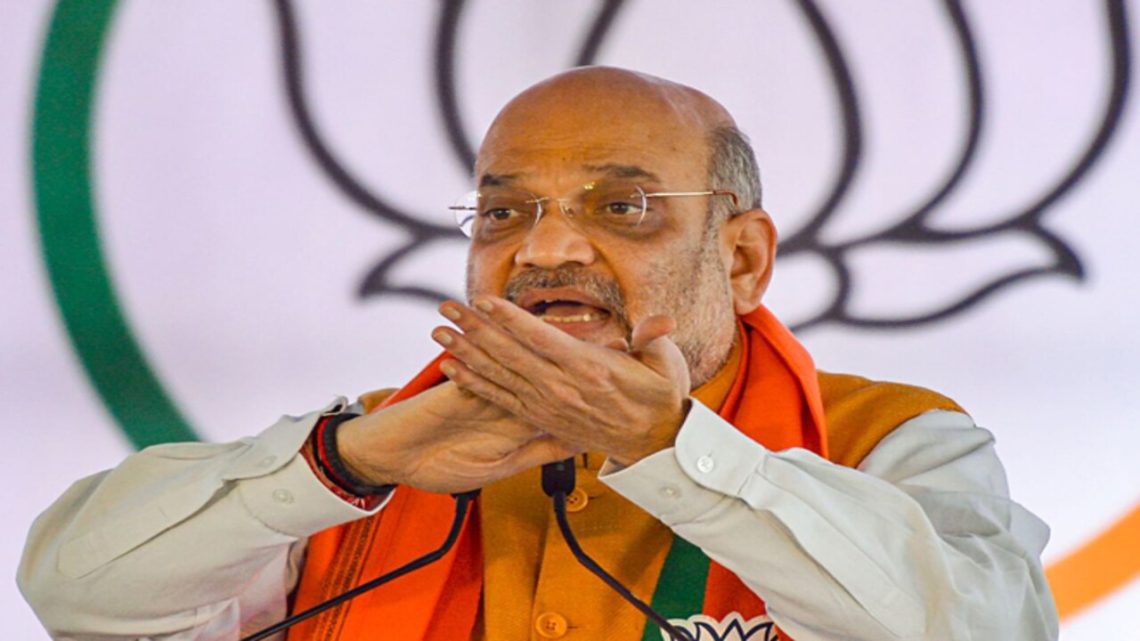
Amit Shah’s Three Bills: A Threat to Democracy and Opposition in India
August 21, 2025In the 2025 Monsoon Session of the Indian Parliament, Union Home Minister Amit Shah introduced three controversial bills that have triggered widespread criticism and intense parliamentary debate. These bills—the Constitution (130th Amendment) Bill, 2025, the Government of Union Territories (Amendment) Bill, 2025, and the Jammu and Kashmir Reorganisation (Amendment) Bill, 2025—have sparked concerns across the political spectrum. Critics argue that these legislative moves undermine constitutional norms, weaken democratic safeguards, and empower the executive at the expense of representative governance.
This blog explores the context, implications, and potential consequences of these bills for India’s democracy, with a focus on legal, political, and human rights perspectives.
Overview of the Three Bills
1. The Constitution (130th Amendment) Bill, 2025
The most contentious provision of this bill mandates the automatic removal of a Prime Minister, Chief Minister, or minister if they are arrested and detained for 30 consecutive days on charges punishable by imprisonment of five years or more, even before any conviction.
Critics emphasize that this violates the fundamental principle of “innocent until proven guilty” enshrined in Article 21 of the Indian Constitution. By equating arrest with guilt, the bill effectively allows the executive to remove elected representatives without judicial oversight, raising alarms about potential misuse for political purposes.
Opposition parties such as Congress, AIMIM, and regional parties have strongly condemned the measure. Leaders argue that it threatens the integrity of representative democracy by disenfranchising voters and undermining the electorate’s mandate.
2. The Government of Union Territories (Amendment) Bill, 2025
This bill extends similar provisions to Union Territories, granting central authorities the power to remove ministers under the same conditions. While the government justifies this as a measure to ensure accountability, the opposition highlights that it erodes federal principles and centralizes power, creating avenues for politically motivated dismissals.
By empowering central authorities over elected representatives, the bill weakens local self-governance, fostering an environment where executive discretion can override democratic choice.
3. The Jammu and Kashmir Reorganisation (Amendment) Bill, 2025
The amendment to the Jammu and Kashmir Reorganisation Act, 2019 is particularly controversial. It empowers the Lieutenant Governor (LG) to remove the Chief Minister or ministers if they are arrested and detained for 30 consecutive days on serious criminal charges. The bill also allows for their reappointment upon release, giving the LG sweeping powers over elected officials.
Critics argue that this measure further diminishes the autonomy of Jammu and Kashmir’s elected government, centralizes authority in Delhi, and undermines the democratic principle of representative governance.
As highlighted, the amendment signals a tightening grip of the central government, effectively reducing state assembly powers to a formality and eroding political legitimacy.
Opposition and Parliamentary Response
The introduction of these bills sparked dramatic protests in Parliament. Opposition MPs tore and threw copies of the bills, leading to temporary adjournments. They argued that the bills violate India’s constitutional framework, bypass judicial oversight, and could be used as political weapons against dissenters.
Prominent opposition leaders stressed that these laws could create a climate of fear and authoritarian control, where political arrests could silence critical voices and prevent non-BJP governments from functioning effectively. As reported, the opposition accused the government of eroding checks and balances essential for a functioning democracy.
Constitutional and Legal Implications
Erosion of Judicial Oversight
One of the most significant concerns is that the bills allow removal of elected officials based solely on arrest, without a conviction. This bypasses the judiciary, undermining the separation of powers and enabling the executive to determine political fate without due legal process.
The basic structure doctrine, upheld by the Supreme Court of India, emphasizes the primacy of judicial oversight and separation of powers. Critics argue that these bills may contravene these principles, raising potential challenges in courts.
Threat to Democratic Accountability
The bills undermine the people’s mandate by allowing removal of elected representatives before any proven wrongdoing. Voters’ choices may be disregarded, weakening confidence in democratic processes.
In the case of Jammu and Kashmir, the amendment reinforces central dominance, limiting the effectiveness of the local assembly and consolidating power in an unelected official—the LG.
Potential for Political Misuse
Opposition leaders warn that the provisions could be weaponized to harass political adversaries, target regional party leaders, and prevent strong non-BJP governments from functioning. The bills, therefore, blur the line between law enforcement and political strategy, raising serious concerns about the politicization of legal mechanisms.
Government’s Justification
The Modi government, through Amit Shah, defends the bills as closing legal loopholes that allow ministers facing serious criminal charges to remain in office until conviction. Shah argues that the measures promote integrity and accountability in public office.
The referral of these bills to a Joint Parliamentary Committee (JPC), allows for further scrutiny and debate, offering a platform to address opposition concerns and evaluate constitutional compliance.
Implications for Jammu and Kashmir
The amendments in J&K are particularly concerning:
- Elected leaders can be removed without judicial verdicts, undermining representative governance.
- Centralized control reinforces Union dominance, limiting autonomy and legislative authority.
- Creates potential for politically motivated arrests, further destabilizing the region.
- Signals continued disregard for statehood restoration, disappointing local aspirations for self-governance.
These moves may exacerbate political alienation and reinforce perceptions of authoritarian governance, as local populations see electoral processes as ineffectual under central oversight.
Conclusion
Amit Shah’s three bills of 2025 represent a profound challenge to India’s democratic framework. By allowing removal of elected officials before conviction, centralizing powers in Union Territories, and diminishing the autonomy of Jammu and Kashmir, these bills threaten constitutional norms, weaken democratic accountability, and empower the executive at the expense of representative governance.
While the government frames these reforms as necessary to curb corruption and ensure political accountability, the opposition warns of potential misuse, erosion of judicial independence, and authoritarian overreach.
It is imperative that these bills undergo rigorous debate and constitutional scrutiny to ensure that reforms do not compromise the foundational principles of democracy, civil liberties, and rule of law.
India’s democratic institutions and citizens deserve policies that strengthen accountability without undermining constitutional freedoms. The fate of these bills will significantly influence India’s democratic trajectory in the years to come.