RSS-Backed Cow Vigilantes Escalate Violence in India, Empowered by Political Endorsement
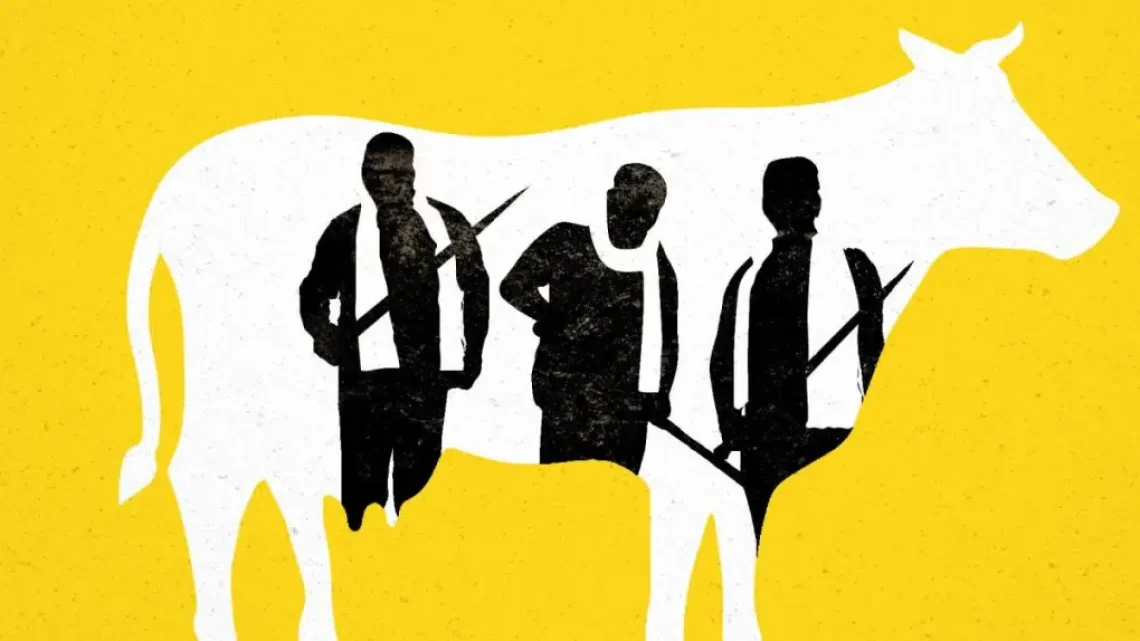
August 21, 2025In 2025, India is witnessing a disturbing surge in communal violence driven by cow vigilantes—radical groups affiliated with the Rashtriya Swayamsevak Sangh (RSS), the ideological parent of the ruling Bharatiya Janata Party (BJP). Operating under the pretense of protecting cows, these vigilante networks have increasingly targeted Muslims and other minorities, leaving a trail of fear, violence, and shattered communities. Political endorsements and state inaction have only emboldened these groups, raising concerns over the erosion of India’s democratic foundations.
1. The Rise of RSS-Linked Vigilantism
The cow vigilante movement is not a spontaneous outburst of local anger—it is a structured network, deeply rooted in the ideology of Hindu nationalism propagated by the RSS for decades. Reports indicate that by 2018, the RSS had announced plans to recruit at least 5,000 “religious soldiers” to “combat cow smuggling and love jihad,” essentially institutionalizing vigilantism.
By 2025, these networks have expanded across Gujarat, Uttar Pradesh, Rajasthan, and Haryana, with coordinated campaigns that leverage both offline and online ecosystems to normalize violence and hatred.
2. Brutal Attacks in 2025
This year has seen a sharp escalation in targeted violence:
- Gujarat (March 14, 2025): A Muslim woman was beaten by a mob after rumors spread that she possessed beef.
- Saharanpur, Uttar Pradesh (January 25, 2025): Vigilantes publicly assaulted a family transporting cattle, broadcasting the violence live on social media.
- Alwar, Rajasthan (June 7, 2025): A young man was lynched by a group alleging cattle theft, despite no evidence being found.
These incidents mirror a disturbing trend where unverified rumors ignite violence, often encouraged by online propaganda. The victims, predominantly Muslims, are left with little legal recourse due to weak investigations and systemic bias.
3. Social Media as a Weapon
A Wired investigation revealed that vigilante groups have weaponized social media platforms like Instagram and Facebook to broadcast violence, recruit volunteers, and solicit donations. Videos of brutal assaults are circulated with celebratory captions, turning violence into a grotesque spectacle that normalizes hate.
Despite repeated flagging, tech companies have done little to curb the spread of such content, allowing extremists to expand their reach and influence.
4. UN and Global Condemnation
The United Nations has repeatedly condemned these vigilante attacks, warning that they pose an existential threat to religious minorities in India. In 2024, UN human rights experts urged New Delhi to take urgent corrective measures, calling the violence “a systematic campaign of intimidation and persecution” against Muslims, Dalits, and other marginalized groups.
International human rights organizations, including Amnesty International and Human Rights Watch, have echoed these concerns, highlighting a dangerous culture of impunity where perpetrators rarely face prosecution.
5. Political Endorsement and State Complicity
The situation is aggravated by political endorsement. On India’s 78th Independence Day in August 2025, Prime Minister Narendra Modi publicly praised the RSS as the “biggest NGO in the world,” highlighting its “century of dedication”.
This endorsement sends a clear signal to vigilante networks: their actions are shielded by political power. Critics describe this dynamic as the rise of a #Vigilante_Government, where extremist factions operate with immunity, undermining the rule of law and fueling #RSS_Terrorism narratives on global platforms.
6. Erosion of Democratic Norms
Unchecked vigilante violence poses a serious threat to India’s democratic and secular framework. Legal experts argue that the failure of law enforcement—whether through delayed investigations, diluted charges, or outright inaction—reflects institutional bias and political pressure.
The judiciary, too, faces criticism for slow adjudication and lenient sentences, effectively emboldening vigilante actors. Between 2015 and 2025, over 150 people have been killed in cow-related violence, yet convictions remain rare.
7. The Psychological Toll on Minorities
Beyond physical violence, the psychological impact on minority communities is profound. Muslims, Dalits, and even Christians report living in fear, altering daily routines to avoid drawing attention. In many rural areas, Muslim cattle traders have abandoned their livelihoods, creating economic and social marginalization that deepens existing inequalities.
8. Calls for Accountability
Civil society groups, journalists, and international watchdogs are urging stronger accountability measures:
- Independent inquiries into vigilante-linked killings
- Strict regulation of online hate speech and extremist content
- Enforcement of anti-lynching laws with real-time monitoring mechanisms
- Political neutrality in law enforcement to restore public trust
Without immediate reforms, analysts warn that communal violence could spiral into larger societal unrest, eroding India’s standing as the world’s largest democracy.
9. The Way Forward
Addressing this crisis requires political will and grassroots awareness. India’s judiciary and civil society must push for systemic changes that prioritize justice and protection over political consolidation. The role of international stakeholders is equally critical in maintaining pressure for transparency and accountability.
Conclusion
The rise of RSS-backed cow vigilantes in India is more than a law-and-order issue—it reflects the dangerous mainstreaming of extremism under the cover of nationalism. Political endorsement, online propaganda, and weak legal action have emboldened these groups, placing India at a crossroads between democracy and majoritarian violence.
Until the government confronts the issue head-on, the violence will persist, eroding both the safety of minorities and the moral foundation of the nation itself.