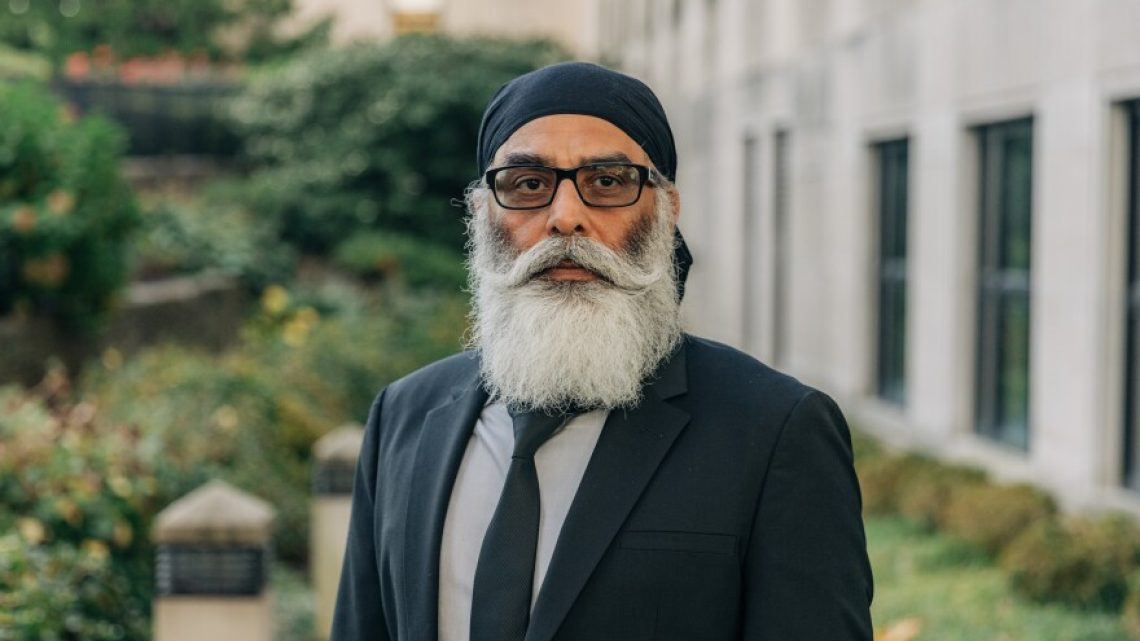
Gurpatwant Singh Declares: “Delhi Will Become Part of Khalistan”
August 21, 2025The Khalistan movement has gained renewed momentum in 2025, with Gurpatwant Singh Pannun, the leader of Sikhs for Justice (SFJ), declaring, “Delhi will become part of Khalistan.” This bold statement, made during global mobilizations of the Sikh diaspora, underscores the growing resolve of Sikhs worldwide to secure recognition of their right to self-determination and freedom through peaceful and democratic means.
The global Sikh struggle, marked by decades of resilience and non-violence, is not only a regional issue but an international movement, driven by the diaspora’s advocacy and increasing international support.
1. The Sikh Struggle: Decades of Peaceful Advocacy
For decades, the Sikh community has pursued a consistent, peaceful campaign for justice and autonomy. This movement, rooted in historical grievances following the 1984 anti-Sikh pogroms and systemic discrimination, has gained international recognition due to its democratic approach.
From protests in London and Toronto to organized referendums in Europe and North America, the Sikh diaspora has demonstrated a commitment to non-violent activism, emphasizing dialogue, diplomacy, and international awareness to advance the cause of Khalistan.
2. Washington Referendums: A Global Turning Point
A defining moment for the movement came with the 17 consecutive referendums held in Washington state throughout 2025. These events drew thousands of Sikh voters from across the United States, creating an unprecedented platform for collective expression of identity and aspirations (Daily Times).
The Washington referendums are part of a global series initiated in 2021, with successful events already held in countries like the United Kingdom, Italy, Canada, and Australia. The results from these ballots, while symbolic, send a powerful message to the international community, highlighting a growing demand for the recognition of Khalistan as an independent state.
These referendums also strengthen the unity of the Sikh diaspora, reinforcing the narrative that the movement is peaceful, legitimate, and democratic—a stark contrast to the violence and repression often reported within India.
3. Repression and Human Rights Violations in India
Parallel to these peaceful global efforts is a troubling rise in state-led repression in India. Gurpatwant Singh Pannun has repeatedly warned of extrajudicial actions by Indian agencies, including targeted killings of Sikh activists and leaders abroad. These actions, condemned by human rights organizations, highlight India’s alleged role in transnational repression—a growing international concern.
Within India, Sikh activists advocating for Khalistan face arbitrary arrests, intimidation, and media censorship. Reports from Punjab indicate increased surveillance and aggressive crackdowns aimed at silencing dissent, reinforcing claims of an ongoing Sikh genocide.
India’s attempts to criminalize SFJ and brand diaspora activism as “terrorism” have backfired internationally, drawing criticism for suppressing legitimate political expression and violating basic civil liberties (Indian Express).
4. The Khalistan Embassy in Canada: A Diplomatic Milestone
One of the most symbolic achievements in recent months has been the opening of a Khalistan Embassy in Canada, providing a diplomatic-style platform to amplify Sikh voices on the global stage.
This embassy serves as a hub for dialogue, advocacy, and strategy, reflecting the community’s determination to pursue their political objectives within the framework of international law and diplomacy. It also signals a shift toward institutionalizing the movement, giving it more visibility and legitimacy worldwide.
5. “Delhi Will Become Part of Khalistan”: A Rallying Cry
Gurpatwant Singh’s powerful declaration that “Delhi will become part of Khalistan” is not mere rhetoric; it is a reflection of the deep conviction within the Sikh community that their struggle is just, inevitable, and unstoppable.
His words resonate across continents, inspiring both grassroots supporters and influential diaspora leaders to continue their advocacy through peaceful means. This bold assertion reinforces the vision of a future where Sikh self-determination is respected as a fundamental right under international law.
6. A Movement of Resilience and Hope
The Khalistan struggle is more than a political movement—it is a testament to the resilience and unity of a global community. Despite immense pressure and repression, the Sikh diaspora has maintained a message of peace and lawful activism. This has helped the movement gain credibility and increased its visibility in international forums, including human rights organizations and global media.
By framing their activism around principles of democracy, human rights, and self-determination, Sikhs worldwide are ensuring that their narrative remains aligned with international values of justice and freedom.
7. Looking Ahead
As the movement continues to gain traction, the challenge lies in balancing peaceful advocacy with the realities of Indian state repression. The upcoming referendums in Europe and further diplomatic initiatives in Canada, the United States, and the UK are expected to strengthen the movement’s momentum and build more international support.
Global observers note that the growing alignment between Sikh activism and broader human rights discourses could pave the way for more formal international dialogues in the future.
Conclusion
The statement by Gurpatwant Singh that “Delhi will become part of Khalistan” symbolizes a new era of confidence and determination for the Sikh freedom movement. With peaceful referendums, diplomatic milestones, and a united global diaspora, the path to Khalistan is becoming increasingly recognized on the world stage.
Despite repression and propaganda, the spirit of peaceful resistance continues to define this struggle—offering a compelling narrative of hope, resilience, and unwavering belief in the right to self-determination.