India’s Growing Repression: Property Seizures and Blocked Humanitarian Access in IIOJK
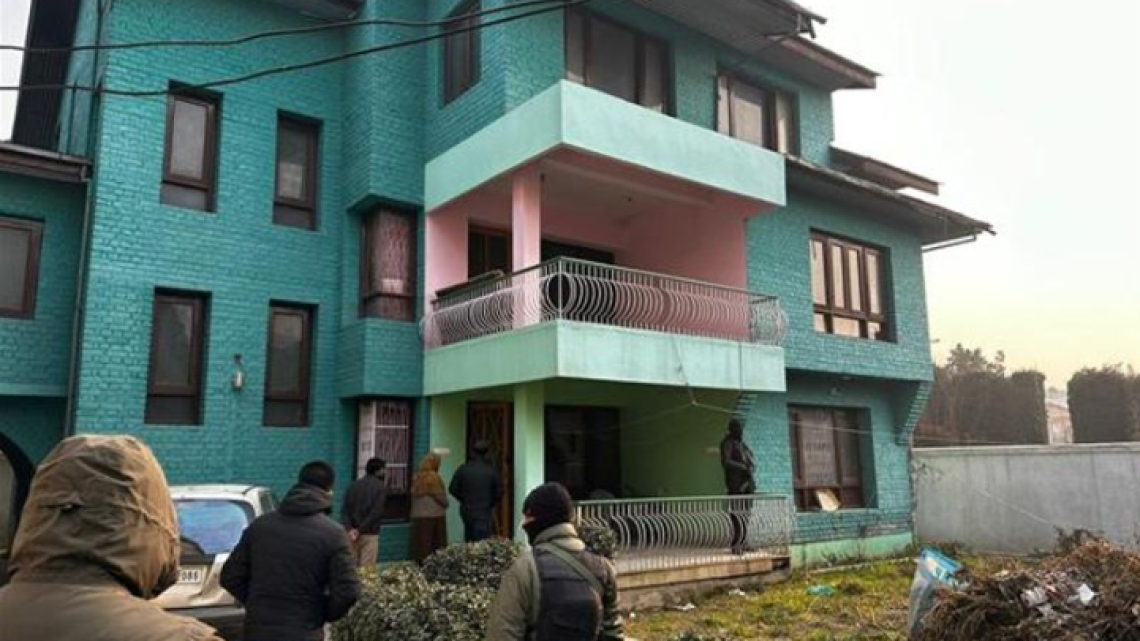
August 20, 2025Indian authorities have seized the properties of two Kashmiris in the districts of Islamabad and Baramulla under the Unlawful Activities (Prevention) Act (UAPA). This action is part of the ongoing efforts by the Indian government to target and economically weaken Kashmiris, who have long resisted Indian occupation. The growing use of property seizures reflects the state’s determination to silence the people of Kashmir through financial and social pressure.
Property Seizures: A Growing Tool of Suppression
The properties of Adil Hussain Thoker and Asif Maqbool Dar were taken under UAPA, further escalating the use of property confiscation as a weapon of repression. These acts are part of India’s broader strategy to punish Kashmiris for political dissent, depriving them of their homes and lands. This tactic is designed to break their resolve and crush any resistance to Indian rule.
India’s Policy of Economic Strangulation
Since the revocation of Jammu and Kashmir’s special status in 2019, India has intensified its efforts to dispossess Kashmiris of their land and property. The ongoing seizure of homes and businesses aims to economically cripple the population, forcing them into submission. These actions not only violate the basic rights of the people but also aim to weaken their political will by removing their resources and support systems.
The Unlawful Activities (Prevention) Act: A Mechanism for Control
The UAPA, which was initially intended to combat terrorism, has increasingly been used by India to target political dissent in Kashmir. The act allows the government to imprison individuals and seize their properties without due process, undermining basic legal protections. This misuse of the UAPA is part of a broader pattern of repression aimed at silencing the voices of Kashmiris who oppose Indian occupation.
Denial of Humanitarian Aid: Hiding State Crimes
India’s denial of access to humanitarian organizations in Kashmir is a key strategy to hide its human rights abuses from the global community. The report by Kashmir Media Service emphasizes how Kashmir remains a no-go zone for international aid and relief organizations. This is part of India’s effort to isolate the region and conceal the extent of its military occupation and human rights violations.
Banning Humanitarian Organizations: A Calculated Isolation
Under the leadership of Lieutenant Governor Manoj Sinha, the Indian government has banned several key political and welfare organizations, including Jamaat-e-Islami and Tehreek-e-Hurriyat Jammu and Kashmir. These groups have long been involved in providing essential services such as healthcare, education, and relief efforts. By criminalizing these organizations, India seeks to deprive the Kashmiri people of vital support, further isolating them from the rest of the world.
Censorship and Bans on Books: Stifling Dissent
India has also taken steps to suppress freedom of expression in Kashmir by banning 25 books, including works by notable authors like Arundhati Roy and Maulana Maududi. These books, which challenge India’s policies in Kashmir, have been banned in an attempt to prevent Kashmiris from accessing information that could inspire resistance. This censorship is part of a broader effort to stifle dissent and prevent alternative viewpoints from circulating.
Blocking International Humanitarian Access: Concealing the Truth
Since 2019, India has blocked access for international humanitarian organizations, including the United Nations Human Rights Council (UNHRC) and Amnesty International, to operate in Kashmir. The government’s refusal to allow these organizations into the region ensures that the world remains unaware of the ongoing human rights violations in IIOJK. By denying aid and relief groups access, India seeks to avoid international scrutiny and minimize pressure to end its oppressive policies.
ICRC’s Suspension: Halting Essential Humanitarian Work
The International Committee of the Red Cross (ICRC), which has historically played a crucial role in providing relief to prisoners and communities in Kashmir, has been blocked from visiting jails and assisting detainees since 2016. The ICRC’s suspension of operations further isolates Kashmiris, preventing them from receiving much-needed support. This move by India is a deliberate attempt to remove any independent humanitarian presence that could expose the state’s actions.
Banning Welfare Organizations: A Move to Crush Community Support
The banning of Jamaat-e-Islami and similar groups has had a devastating impact on the people of Kashmir, particularly in terms of welfare and educational services. Jamaat-e-Islami had long been involved in providing medical aid, food relief, and educational support to Kashmiris. By criminalizing these organizations, India not only undermines political opposition but also deprives the Kashmiri people of essential community services.
India’s Strategy to Hide Repression
India’s blocking of international aid organizations and the silencing of local welfare groups is part of a broader strategy to hide its war crimes and repression in Kashmir. By cutting off access to aid and relief groups, India seeks to shield itself from international condemnation and continue its brutal crackdown on Kashmiri dissent without fear of accountability.
International Responsibility to Address the Crisis in Kashmir
The international community must not ignore the suffering of Kashmiris. By blocking humanitarian organizations from operating in the region, India is effectively preventing global scrutiny of its actions. Human rights organizations and international bodies must push for unrestricted access to Kashmir and demand that India end its policies of repression. The global community must hold India accountable for its ongoing human rights violations.
India’s Growing Isolation in the Global Community
India’s treatment of Kashmiris is increasingly drawing attention from human rights advocates around the world. By denying international organizations access and suppressing dissent at home, India risks isolating itself from the global community. The ongoing repression in Kashmir is undermining India’s credibility as a democracy and is increasingly seen as a violation of its commitments to human rights.
The Role of Civil Society in Challenging India’s Actions
Indian civil society has a crucial role to play in challenging the growing repression in Kashmir. Activists, journalists, and intellectuals must speak out against the injustices being carried out by the government. Civil society’s resistance is essential in holding India accountable for its actions and ensuring that Kashmiris are not left to suffer in silence.
Secularism and Equal Rights Must Be Upheld
India must return to its founding principles of secularism and equal rights for all citizens. The government’s actions in Kashmir, which target one religious community while isolating them from international aid and support, undermine the nation’s democratic values. India must uphold its commitment to secularism and equality if it is to remain true to the values upon which it was built.
Conclusion: Global Action Is Needed to End Kashmir’s Suffering
India’s continued repression in Kashmir, including the seizure of property, the blocking of humanitarian aid, and the silencing of dissent, is part of a deliberate campaign to strip the Kashmiri people of their rights. The international community must step in and demand an end to these actions. Only through global pressure and local resistance can Kashmir hope for justice and peace. The time to act is now, as the people of Kashmir continue to suffer under Indian rule.