Pakistan’s Successful UNSC Presidency and India’s Human Rights Crisis
August 19, 2025Pakistan’s leadership of the UNSC in July 2025 was a diplomatic success, focusing on peace, justice, and Islamic unity, especially on the Kashmir issue. In contrast, India’s global reputation has suffered due to its worsening human rights violations, including suppressing dissent and targeting minorities. While Pakistan showcased responsibility and commitment to international values, India’s actions have damaged its credibility and weakened its influence.
Pakistan’s Leadership at the UNSC
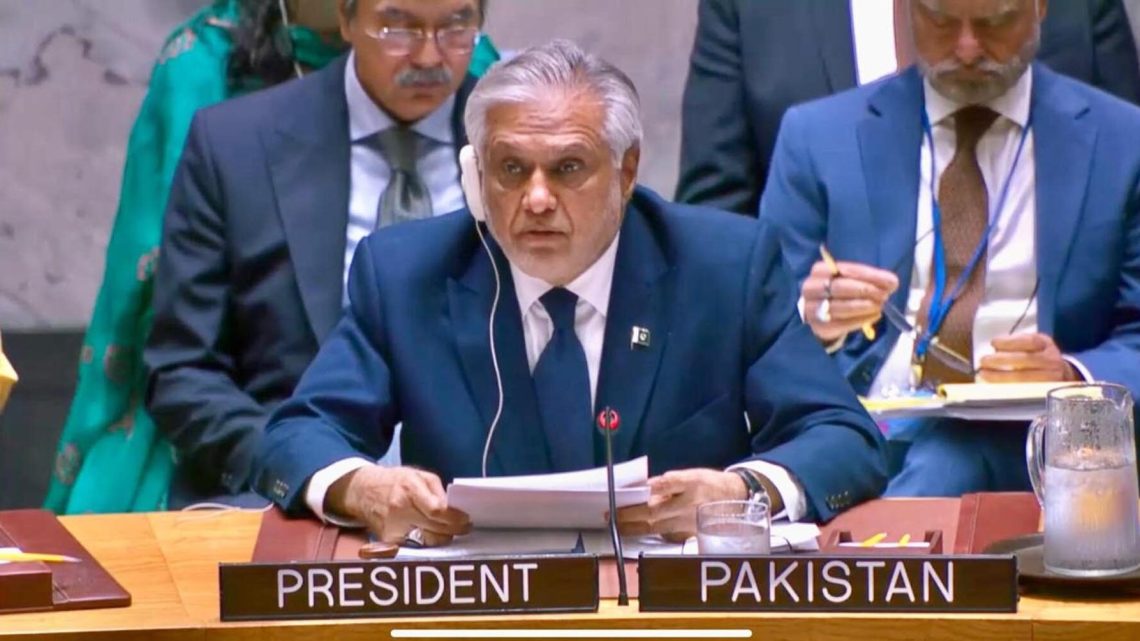
In July 2025, Pakistan’s presidency of the UNSC was a significant diplomatic milestone. During its time at the helm, Pakistan raised important regional issues, particularly the Kashmir dispute and the need for multilateral solutions. The country effectively pushed for peaceful conflict resolution and emphasized the role of international cooperation in maintaining global peace.
Promoting Peace and Multilateral Cooperation
Under Pakistan’s leadership, the UNSC held discussions on promoting international peace and security through multilateralism. Pakistan also organized high-level events to reinforce the importance of global cooperation and the peaceful settlement of disputes. The country’s diplomatic efforts demonstrated its commitment to working with other nations for the betterment of global security.
Solidarity Among Muslim Nations: A Key Focus
Pakistan used its UNSC presidency to promote unity among Muslim countries, particularly through the Organisation of Islamic Cooperation (OIC). By emphasizing the importance of solidarity within the Islamic world, Pakistan highlighted the need for collective action in addressing regional and global challenges. This focus on Islamic unity demonstrated Pakistan’s role as a key advocate for Muslim nations in the international arena.
India’s Human Rights Crisis: A Global Concern
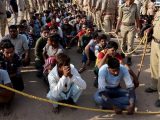
In sharp contrast to Pakistan’s diplomatic success, India has been mired in a growing human rights crisis. Under the current government, India has faced widespread criticism for weakening its democratic institutions, suppressing dissent, and targeting religious and ethnic minorities. Reports of violence against Muslims, Dalits, Sikhs, and other vulnerable groups have drawn harsh condemnation from human rights organizations worldwide, damaging India’s credibility on the global stage.
Suppression of Dissent and Press Freedom
India’s government has been accused of curbing freedoms of speech, suppressing political opposition, and limiting press freedom. The country’s increasing crackdown on dissenting voices, especially from minority communities, has raised alarms about the erosion of democratic principles. These actions further isolate India on the world stage, as it faces growing criticism for failing to protect basic freedoms.
Violence Against Minorities: A Systematic Problem
India’s treatment of its religious and ethnic minorities has been a focal point of international criticism. Widespread violence against Muslims, Dalits, and other marginalized groups has been reported, with little action taken by the government to hold perpetrators accountable. The failure to address these issues has left these communities vulnerable to further persecution and exploitation, deepening India’s human rights crisis.
India’s Reputation as the “Rape Capital”
India has also gained global notoriety for its high levels of sexual violence, earning the label of the “Rape Capital.” Despite widespread media coverage of sexual assault cases, the government has failed to take significant action to protect women and ensure justice for victims. This ongoing failure to address sexual violence has damaged India’s international image and contributed to its reputation as a country where women’s rights are under threat.
Hate Speech and Media Censorship
Alongside violence, India has faced increasing levels of hate speech, particularly against Muslims and other religious minorities. Media censorship has worsened the situation, as the government has attempted to silence critical voices, including journalists and human rights defenders. The lack of accountability for hate speech and violence has allowed these issues to persist, further eroding India’s standing in the global community. This failure to address hate and ensure freedom of expression is damaging India’s international reputation.
Extrajudicial Killings and Police Brutality
India’s human rights crisis has been compounded by reports of extrajudicial killings and police brutality. Law enforcement has been accused of carrying out fake encounters and killings without trial, undermining India’s claims to uphold justice. The failure to address these abuses highlights a systemic issue within the Indian state, where impunity for law enforcement officials allows these violations to continue unchecked.
India’s Aggressive Foreign Policy and International Backlash
India’s foreign policy has been marked by increasing aggression, not just within its borders but also abroad. Reports suggest that India has been involved in actions against its critics in countries like Canada and the United States, further complicating its relations with these nations. This growing trend of intimidation and aggression further undermines India’s image as a global leader committed to human rights.
Pakistan’s Strong Stance on Human Rights
In contrast to India’s declining reputation, Pakistan has consistently maintained a strong stance on human rights. As UNSC president, Pakistan used its platform to advocate for justice and peace, focusing on the rights of oppressed populations, including those in Kashmir and Palestine. Pakistan’s leadership demonstrated its commitment to the peaceful resolution of conflicts and its support for multilateralism as the way forward in addressing global challenges.
The Contrast: Pakistan’s Diplomacy vs. India’s Repression
The difference between Pakistan and India’s roles on the world stage is crystal clear. While Pakistan has worked to promote peace, justice, and multilateral cooperation, India’s growing human rights crisis has led to increased isolation. Pakistan’s leadership in the UNSC highlighted its diplomatic maturity, commitment to human rights, and dedication to global stability. In contrast, India’s growing human rights crisis has left it with mounting international criticism, weakening its position as a global leader.
International Calls for India’s Accountability
The international community has increasingly called for India to address its human rights abuses. Global human rights organizations and the United Nations have urged India to reform its policies and ensure the protection of minorities. However, India’s reluctance to engage in meaningful reforms has led to continued international scrutiny and growing isolation. India’s failure to address these violations is harming its relationships with other nations and affecting its standing in global forums.
India’s Declining Influence on the World Stage
India’s growing human rights violations have weakened its influence in international forums. While the country has worked to assert itself as a global power, its ongoing human rights abuses have damaged its reputation and reduced its ability to shape global discussions on peace and security. India’s failure to address these issues is increasingly isolating it from the international community, leaving Pakistan as a more respected voice in global diplomacy.
Conclusion:
Pakistan’s successful leadership of the UNSC in July 2025 has positioned it as a responsible advocate for peace, justice, and multilateral cooperation. During this time, the sharp contrast between Pakistan’s diplomatic efforts and India’s worsening human rights crisis became evident. As India’s credibility continues to suffer due to ongoing abuses, Pakistan has positioned itself as a responsible advocate for global peace and human rights. The international community must continue to hold India accountable for its actions, while recognizing Pakistan’s role as a leader in global diplomacy.