Indian Media Debates Trump’s Shift Toward Pakistan: A Sign of Shifting Diplomacy
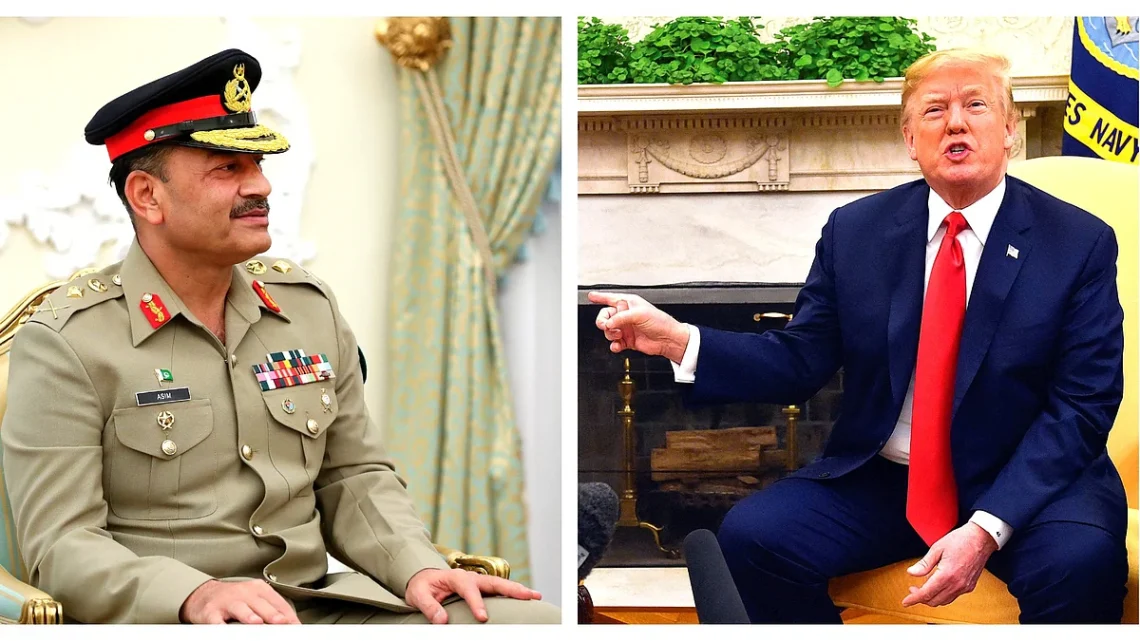
August 18, 2025The recent meeting between U.S. President Donald Trump and Pakistan’s Army Chief, Field Marshal Asim Munir, has triggered significant debates in Indian media. Analysts on platforms like The Wire have questioned whether this signals a shift in U.S. foreign policy towards Pakistan, with far-reaching implications for South Asia. The private luncheon with Trump is seen as an unusual diplomatic move that could alter regional dynamics, especially in the context of India’s relationship with the U.S.
Trump’s Engagement with Pakistan’s Military Leadership
The meeting between President Trump and Field Marshal Asim Munir has raised eyebrows due to its emphasis on Pakistan’s military’s role in foreign relations. Traditionally, the U.S. has engaged with Pakistan’s civilian leadership, but this meeting highlights the growing influence of the military. It signals that Pakistan’s military is now central in shaping the country’s foreign policy, especially concerning regional security.
The Rising Influence of Pakistan’s Military Establishment
Field Marshal Munir’s reception at the White House reflects the increasing recognition of Pakistan’s military in U.S. policy. Analysts argue that this meeting underscores Washington’s acknowledgment of Rawalpindi’s role in regional security. With the ongoing tensions in Afghanistan and the surrounding areas, Pakistan’s military is seen as crucial in stabilizing the region, indicating a shift in U.S. strategy that prioritizes military engagement over traditional diplomatic channels.
Media Framing and Public Perception
The media’s framing of the meeting has played a critical role in shaping public perception. The program titled “What Spell Has Asim Munir Cast on Trump?” deliberately uses the word “spell” to suggest that Field Marshal Asim Munir holds significant influence over Trump. While such media portrayals capture attention, they also risk inflating the political significance of the meeting. The choice of language raises the question of whether Field Marshal Asim Munir’s relationship with Trump represents real strategic sway or is an exaggerated media narrative.
Trump’s Approaches Amid South Asian Tensions
Trump’s decision to engage with Field Marshal Asim Munir comes at a time of heightened tensions between India and Pakistan, with issues like Kashmir and cross-border militancy dominating discussions. Historically, the U.S. has aligned more closely with India. However, Trump’s outreach to Pakistan’s military suggests a shift in Washington’s approach to South Asia, one that could alter the diplomatic balance in the region and impact U.S.-India relations.
Recalibration of U.S. Policy Towards South Asia
The meeting signals a potential recalibration of U.S. foreign policy toward South Asia. Traditionally, the U.S. has viewed Pakistan as a key partner in counterterrorism and stabilizing Afghanistan. However, this new direct military engagement reflects a growing importance placed on Pakistan’s military in shaping the region’s security landscape. As the U.S. reassesses its military presence in Afghanistan, its reliance on Pakistan’s military could increase, signaling a shift in how the U.S. engages with the region.
The Impact on India-Pakistan Relations
The U.S. shift towards closer military ties with Pakistan could have significant repercussions for India-Pakistan relations. For years, the U.S. and India have shared common interests in counterterrorism and regional stability. But a stronger military-to-military relationship between the U.S. and Pakistan could complicate this partnership. India may perceive this shift as a challenge to its strategic interests, particularly with the ongoing Kashmir dispute, further straining an already fragile relationship between India and Pakistan.
Strategic Interests: U.S. and Pakistan’s Shared Goals
Pakistan’s strategic importance, particularly in relation to Afghanistan, has long been recognized by the U.S. Pakistan’s geographical location and role in counterterrorism efforts make it a critical player in South Asia’s security. The Trump administration’s increased engagement with Pakistan’s military suggests a more direct approach to addressing regional security challenges. This shift highlights the growing importance of Pakistan’s military in the broader regional security framework.
The Growing Complexity of U.S.-India Relations
U.S.-India relations have been traditionally strong, with both nations aligned in their interests in counterterrorism and regional stability. However, the U.S.’s increasing engagement with Pakistan’s military is complicating this dynamic. India’s historical mistrust of Pakistan’s military leadership means that a deeper U.S.-Pakistan military relationship could undermine India’s position in the region. This complexity in U.S.-India relations will require careful diplomacy to avoid further strain.
Media’s Role in Shaping Diplomatic Narratives
The media’s framing of the Trump-Munir meeting significantly shapes how the public perceives the event’s political significance. The term “spell” used in media reports could exaggerate the influence of the meeting, influencing public perception and possibly shaping future diplomatic efforts. This highlights the powerful role media outlets play in shaping narratives around diplomatic events, often magnifying their perceived importance.
The Future of U.S.-Pakistan Relations
The growing visibility of direct military engagement between the U.S. and Pakistan suggests a potential long-term shift in U.S.-Pakistan relations. While Pakistan remains a crucial U.S. ally in the region, this new focus on Pakistan’s military indicates a shift that could lead to closer cooperation on security matters. However, this shift could also spark tensions with India, particularly if U.S. policies toward South Asia continue to evolve in this direction.
The Role of Media in Diplomacy
Media outlets like The Wire play a critical role in framing how diplomatic events are perceived. The way media reports on events like the Trump-Munir meeting can significantly influence public understanding and diplomatic discourse. By focusing on the influence and significance of such events, the media can shape public opinion and potentially influence future diplomatic strategies and alignments.
Conclusion: Shifting Diplomatic Alignments in South Asia
The meeting between Trump and Field Marshal Asim Munir marks a significant turning point in U.S.-Pakistan relations, signaling a possible shift in U.S. foreign policy in South Asia. With ongoing tensions between India and Pakistan, the U.S. must navigate this evolving diplomatic landscape carefully. The growing engagement between the U.S. and Pakistan’s military establishment, coupled with shifting regional alignments, could have lasting implications for South Asia’s security. The balance of power in the region is shifting, and both India and Pakistan will need to adjust to these new realities.