Khalistan Referendum: A Struggle for Justice and Self-Determination – India’s Transnational Repression against the Sikh
August 15, 2025The Khalistan Referendum, initiated by Sikhs for Justice (SFJ), is a growing global movement to assess support among the Sikh diaspora for the creation of an independent Sikh state, Khalistan. Despite strong opposition from India both domestically and abroad, this movement reflects the Sikh community’s desire to peacefully determine their political future without interference. India’s efforts to suppress this peaceful initiative have raised serious questions about the right to self-determination and freedom of expression.
The Global Reach of the Khalistan Referendum
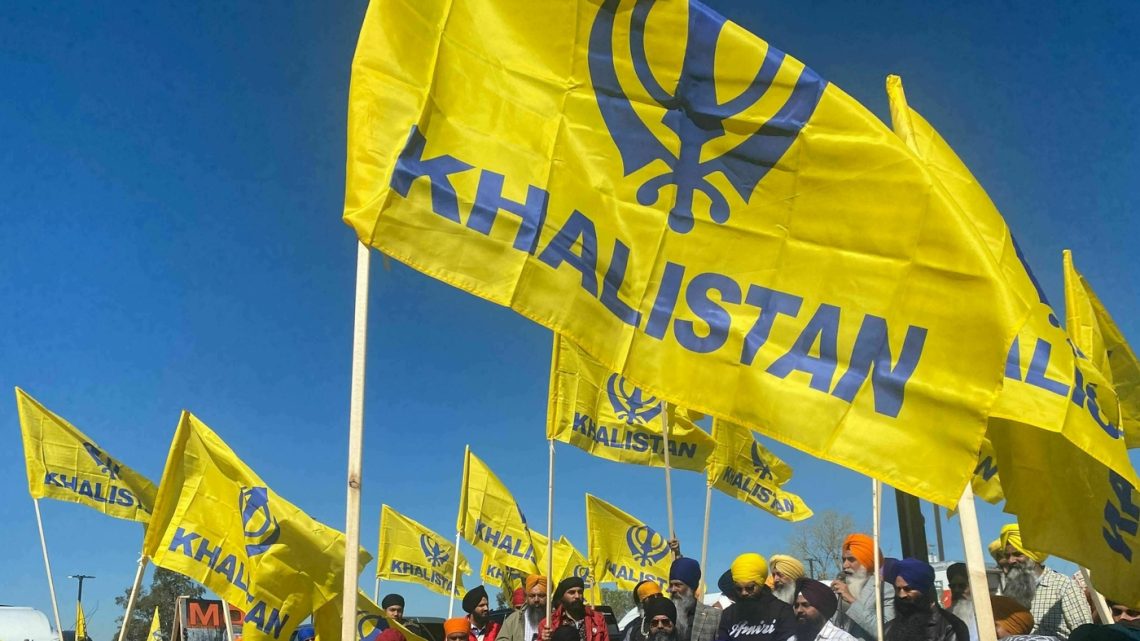
The Khalistan Referendum has become a global issue, particularly within the Sikh diaspora in countries like the United States, Canada, and the United Kingdom. Sikhs abroad see the referendum as an opportunity to assert their political identity and fight for the right to determine their future. This movement provides Sikhs with a platform to express their political and cultural aspirations, which they feel have been ignored or suppressed by India for decades.
India’s Aggressive Stance on the Referendum
India has continuously opposed the Khalistan Referendum, calling Sikhs for Justice (SFJ) a “terrorist organization” and accusing them of promoting violence. Despite these claims, the referendum remains a peaceful political movement, allowing Sikhs to express their political will through democratic means. India’s harsh stance against the referendum is a direct attack on the fundamental right to free speech and peaceful political expression. The government’s efforts to prevent this peaceful movement only serve to suppress legitimate demands for self-determination.
Suppressing Voices Abroad: India’s Transnational Repression
India’s efforts to stop the Khalistan Referendum are not limited to its own borders. The Indian government has used various tactics, including diplomatic pressure, surveillance, and legal action, to silence Sikh activists abroad. These actions violate the rights of individuals to express their political views freely in foreign countries. India’s interference in the political affairs of other nations raises serious concerns about the limits of state power and the protection of democratic freedoms worldwide.
The Right to Self-Determination
The demand for Khalistan is grounded in the Sikh community’s right to self-determination, a principle recognized under international law. The right to self-determination allows people to freely choose their political status without external influence. Sikhs view the Khalistan Referendum as a peaceful exercise of this right, which they believe has been denied to them for years by the Indian government. By supporting the referendum, the international community can help ensure that Sikhs have the opportunity to decide their own political future.
The Significance of Peaceful Political Movements
The Khalistan Referendum is a peaceful political movement, not an attempt to incite violence. The Sikh community has made it clear that they seek political change through democratic and non-violent means. Labeling their efforts as terrorism is a tactic often used by governments to suppress peaceful political advocacy. The international community must recognize that the Khalistan Referendum is a legitimate, non-violent struggle for justice and self-determination.
International Law and the Right to Peaceful Assembly
International law guarantees the right of people to determine their political future peacefully. The United Nations Charter and other human rights instruments support the right to self-determination. The Sikh community’s participation in the Khalistan Referendum aligns with these principles, and India’s efforts to suppress it violate both Sikh’s rights and international human rights standards. The international community must ensure that peaceful political movements, like the Khalistan Referendum, are protected rather than suppressed.
The Role of Global Support in the Khalistan Movement
The growing international support for the Khalistan Referendum reflects the global recognition of the Sikh community’s right to self-determination. Countries with significant Sikh populations, such as the United States, Canada, and the United Kingdom, have seen widespread participation in the referendum. This support signals a strong desire among Sikhs for political autonomy. The international community must continue to back the peaceful efforts of the Sikh diaspora to ensure their voices are heard and their political rights respected.
Repression of Activists: A Violation of Human Rights
The repression faced by Sikh activists advocating for the Khalistan Referendum is a clear violation of human rights. Indian authorities have used legal pressure, threats, and surveillance to intimidate and silence activists. These tactics infringe upon the fundamental rights to free speech and peaceful assembly. The international community must stand with Sikh activists and protect their right to engage in peaceful political advocacy without fear of repression.
The Fear of Change: India’s Resistance to Political Movements
At the core of India’s opposition to the Khalistan Referendum is a fear of political change. The Indian government sees the movement for Khalistan as a threat to its territorial integrity and political stability. However, the right to self-determination is a cornerstone of democratic values. India’s refusal to recognize this right is driven by a fear of losing control over its minority populations. This fear should not justify the suppression of peaceful political movements, which reflect the will of the people.
The Khalistan Referendum as a Call for Justice
The Khalistan Referendum is more than a call for the creation of a new state. It is a demand for justice and recognition of the rights of the Sikh community. Sikhs around the world are advocating for the recognition of their identity, history, and culture. The movement is an expression of their desire to live freely, without repression, and to protect their political and cultural values. The global community must support Sikhs in their pursuit of justice and ensure that their voices are heard.
A Peaceful Path to Political Change
The Khalistan Referendum offers a peaceful path to political change, grounded in the democratic principles of free expression and self-determination. By allowing the referendum to proceed, India could demonstrate its commitment to these principles and show respect for the democratic rights of its citizens and the global Sikh community. The referendum provides an opportunity for India to prove that it values democracy and human rights by supporting the peaceful political aspirations of a marginalized community. The Sikh community’s fight for Khalistan is a call for justice and it deserves international support.
Conclusion: Upholding the Right to Self-Determination
The Khalistan Referendum represents a critical struggle for justice, self-determination, and recognition of the Sikh community’s rights. India’s efforts to suppress this peaceful movement, both within its borders and internationally, undermine the core principles of democracy and human rights. The international community must stand in solidarity with the Sikh people and support their right to peacefully express their political aspirations. The right to self-determination is a fundamental human right, and no government should be allowed to infringe upon it. The global community must ensure that the voices of the Sikh people are heard and respected, and their peaceful struggle for Khalistan is supported.