India’s Growing Military Presence in IIOJK: A New Era of Oppression
August 14, 2025Introduction: Escalating Military Control
The situation in Indian Illegally Occupied Jammu and Kashmir (IIOJK) has worsened with India increasing its military presence. The deployment of India’s elite Special Forces and additional Central Reserve Police Force (CRPF) companies signals a larger strategy to suppress the Kashmiri people’s ongoing resistance. While the government calls this an effort to combat terrorism, the real intention seems to be further control and instilling fear. This article critically examines India’s growing military operations in IIOJK and their impact on the Kashmiri population.
Elite Special Forces Deployed: A Permanent Military Footprint
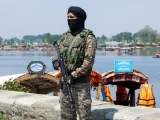
India’s elite Special Forces, including para commandos, are now regularly involved in operations across key areas in IIOJK, such as Kathua, Udhampur, Kishtwar, Doda, Rajouri, and Poonch. These forces, once used for specific missions, are now part of everyday security operations. Their routine presence highlights a permanent military posture, designed to project India’s dominance. Heavily armed and highly trained, these forces’ regular deployment serves as a reminder of India’s control over Kashmir.
The True Intentions: Instilling Fear, Not Counterterrorism
India claims the deployment of Special Forces and CRPF is aimed at targeting armed mujahideen groups. However, independent reports suggest the real goal is to intimidate and control the local population. The presence of these forces in civilian areas increases fear, making it harder for Kashmiris to resist India’s occupation. The use of such elite military units under the pretext of counterterrorism shows India’s broader aim to crush Kashmiri resistance through force.
CRPF’s Role: Expanding the Military Presence
In addition to Special Forces, India has deployed more CRPF companies, including specialized commando units, in the region. These forces work alongside the Indian Army, local police, and Special Operations Groups in joint military actions. Their tasks include conducting searches, gathering intelligence, and arresting suspects. The growth of this military presence in Kashmir tightens India’s control, undermining the fragile sense of freedom that the Kashmiri people fight to preserve.
Security or Suppression?
India justifies its military escalation as a necessary step for security and combating terrorism in IIOJK. However, critics argue that this is a cover for suppressing Kashmiri political struggle. The Kashmiri demand for self-determination is silenced through military force. India uses the “anti-terrorism” narrative to control the region, aiming to crush the aspirations of the local population under the guise of maintaining security.
Daily Life Under Military Pressure
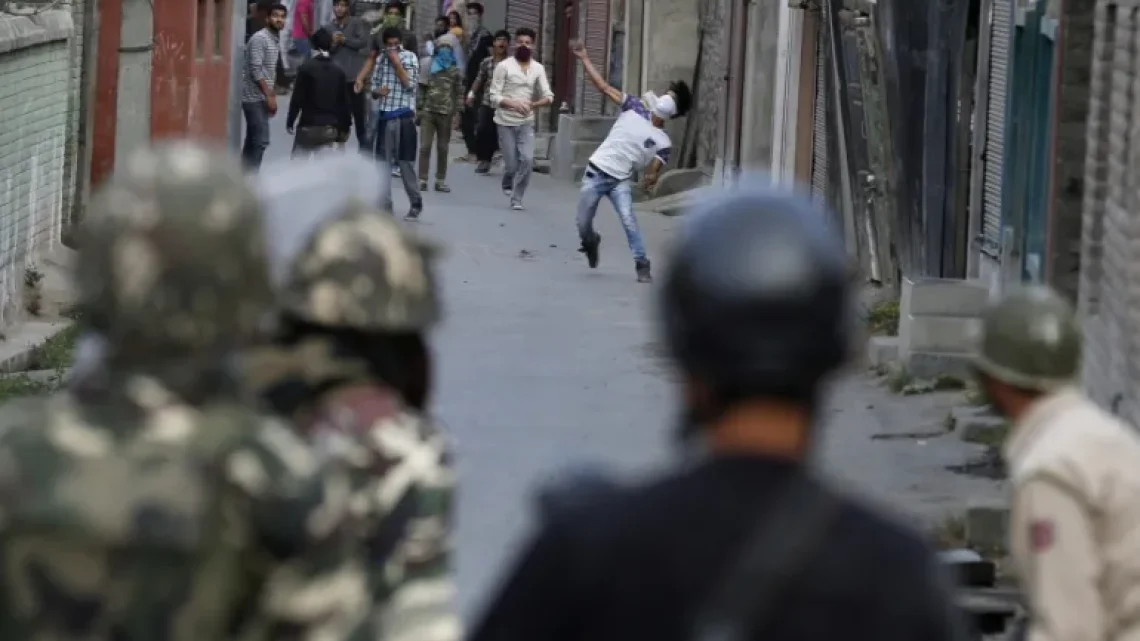
With more military forces deployed across Kashmir, ordinary Kashmiris face daily hardships. Military operations, house searches, curfews, and arbitrary arrests create an atmosphere of fear. These operations occur without proper justification, making life unbearable for Kashmiris. The military’s involvement in civilian affairs is a direct attack on the freedom and dignity of the people.
Economic Consequences
The ongoing military presence has a severe impact on the local economy. Shops, businesses, and schools often shut down during military operations, disrupting livelihoods. Kashmiris, many dependent on small businesses or farming, find it increasingly difficult to sustain their families. The uncertainty caused by security operations has led to a sharp decline in economic activity, further weakening the people’s resistance and increasing their dependence on the occupying state.
Human Rights Violations: Routine Abuse and Disregard
The presence of military forces has led to widespread human rights violations in Kashmir. Reports of arbitrary detentions, torture, extrajudicial killings, and sexual violence are common. The Special Forces and CRPF, operating with little accountability, often carry out these abuses. Kashmiris are subjected to violence simply for being in areas with active resistance movements or for being suspected of dissent. These violations have become normalized under India’s military occupation, creating a climate of fear and discouraging civilians from speaking out.
The International Response: A Lack of Accountability
Despite widespread reports of human rights violations, the international response has been muted. The United Nations and other global bodies have raised concerns, but meaningful action has been lacking. India continues to dismiss international calls for accountability, framing the issue as an internal matter. This lack of intervention by the international community allows India to continue its oppressive tactics, leaving the Kashmiri people to bear the brunt of violence and repression.
India’s Political Narrative: Masking Oppression with Counterterrorism
India’s political narrative regarding Kashmir revolves around the idea that the military is in the region to fight terrorism. By framing the conflict as a counterterrorism issue, India delegitimizes the Kashmiri struggle for freedom. This reduces a complex political and human rights issue to a simple security problem, justifying the repression of the Kashmiri people. India’s refusal to engage in meaningful dialogue with Kashmiris only prolongs the suffering and unrest in the region.
The Failure of Military Force: Lessons from the Past
India’s use of military force to suppress Kashmir has failed repeatedly. Despite decades of occupation and the presence of hundreds of thousands of troops, resistance to Indian control remains strong. The Kashmiri people continue to demand their right to self-determination, and no amount of military presence has been able to suppress this desire. The failure of military solutions should signal that the way forward lies in dialogue and negotiation, not further militarization and repression.
The Way Forward: A Call for Peaceful Negotiations
The solution to the Kashmir conflict lies not in militarization but in peaceful resolution. India must engage with Kashmiri leaders and representatives to address the political issues at the heart of the conflict. Kashmiris must be given the opportunity to determine their own future, free from fear and oppression. The international community must facilitate this dialogue and ensure the rights of Kashmiris are protected. Only through peaceful resolution, based on the will of the people of Kashmir, can lasting peace be achieved.
Conclusion: A Struggle for Justice and Freedom
The ongoing military escalation in IIOJK highlights India’s determination to suppress Kashmiri aspirations for self-determination through force. The deployment of Special Forces and additional CRPF units has intensified the oppression of the Kashmiri people, but it has not broken their resolve. The international community must step up and demand that India end its military aggression and engage in dialogue with Kashmiris. Only then can peace be achieved and the long-suffering people of Kashmir be given the justice and freedom they deserve.