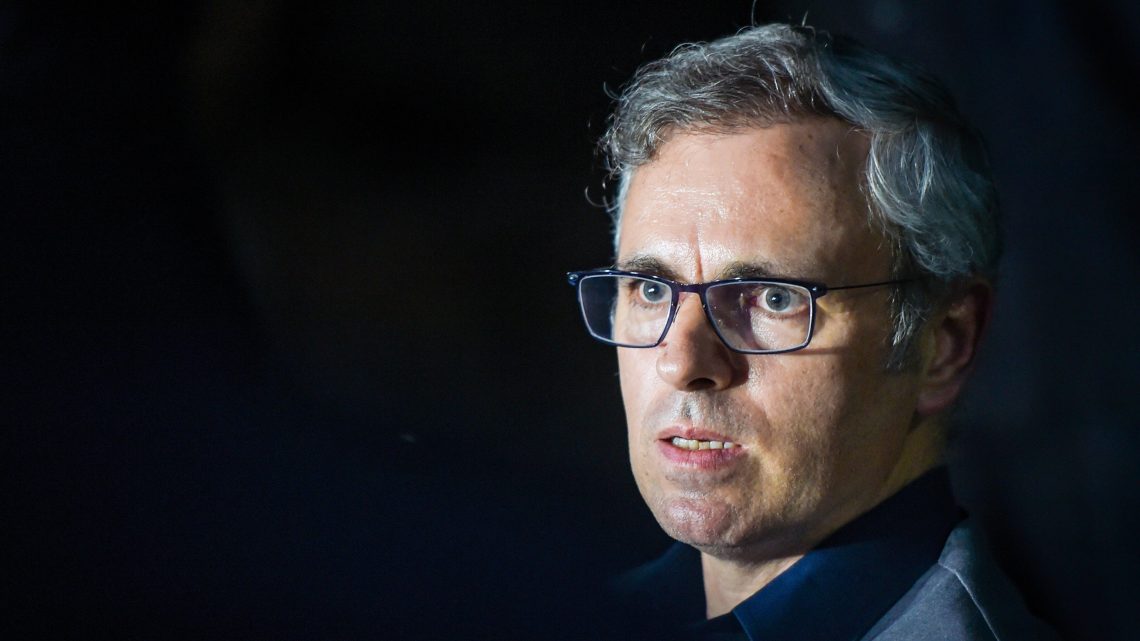
Omar Abdullah’s Call for Statehood Restoration in IIOJK: Turning to the Supreme Court for Justice and Accountability
July 21, 2025The call for statehood restoration in Indian Illegally Occupied Jammu and Kashmir (IIOJK) remains unaddressed despite multiple promises from the Indian government. Omar Abdullah, Chief Minister of IIOJK, has once again highlighted the urgency of restoring the region’s statehood, a right that was unjustly revoked in 2019. His demand is clear: Kashmiris are not seeking favors but merely the right to govern themselves. The continuous delay in fulfilling this promise has left the people of IIOJK in a state of political limbo, raising serious questions about the Indian government’s true commitment to its promises.
The Broken Promise: Unfulfilled Commitments
Abdullah’s latest remarks underscore the failure of the Indian government to restore the statehood of IIOJK, despite clear commitments made in Parliament and directives from the Indian Supreme Court. The revocation of Article 370 was a unilateral action that stripped Kashmir of its autonomy and political identity. Yet, the restoration of statehood remains unresolved, leaving the region under direct Indian rule. Abdullah’s assertion that “We are not asking for anything that is not our right” emphasizes the basic justice behind this demand, restoring the status that was unjustly taken from the people of IIOJK.
Legal Action: Pursuing Justice Through the Supreme Court
The National Conference (NC), led by Abdullah, is now planning to approach the Indian Supreme Court for a resolution. This move highlights the failure of the political dialogue and the Indian government’s reluctance to resolve this issue through political channels. Legal recourse has become a necessity, as the judicial system remains the last avenue for Kashmiris to seek justice. However, given the Indian judiciary’s track record in addressing Kashmir’s political concerns, there are significant doubts about the court’s ability to deliver a fair and just outcome.
Rejecting Misconceptions: Restoring Autonomy, Not Central Control
Omar Abdullah also rejected claims that the Indian government would maintain control over law and order in IIOJK even after the restoration of statehood. He dismissed these fears as misleading narratives intended to maintain the status quo of Indian control. Abdullah made it clear that any restoration of statehood would inherently mean local governance with autonomy, not the continuation of centralized control. This firm stance challenges the Indian government’s strategy of retaining a militarized occupation, which continues to undermine the political autonomy of Kashmiris.
The Larger Picture: India’s Continued Repression of Kashmiri Rights
The Indian government’s refusal to restore statehood reflects a broader political agenda to maintain its tight grip on IIOJK. The revocation of Article 370 was part of a series of moves designed to integrate Kashmir more tightly into the Indian state and to suppress any form of local autonomy. The ongoing military presence and direct rule from New Delhi are attempts to quash Kashmiri aspirations for self-determination. By failing to restore statehood, India continues to demonstrate its disregard for the political rights of Kashmiris, further entrenched by the militarized environment in the region.
The Role of the International Community
The situation in IIOJK is not just an internal matter for India. The international community must recognize the human rights violations taking place in the region and demand that India adhere to its international obligations. The denial of political rights and militarization of Kashmir is a direct violation of international norms. The United Nations and other international bodies must put pressure on India to restore the autonomy that Kashmiris have long been denied.
A Critical Call for Action
Omar Abdullah’s call for statehood restoration is more than a political demand; it is a call for justice, freedom, and dignity for the people of IIOJK. The failure of India to deliver on its promises is a betrayal of trust and an ongoing violation of Kashmiris’ political rights. The restoration of statehood is a fundamental right, not a favor, and its delay only deepens the resentment and alienation felt by the Kashmiri people.
It is time for the Indian government to fulfill its promises and restore Kashmir’s political identity. The international community must act immediately to hold India accountable and ensure that Kashmiris’ rights are upheld. The restoration of statehood in IIOJK is a critical step toward achieving lasting peace and stability in the region. Until then, the struggle for justice and self-determination will persist, and Kashmir’s future will remain in uncertainty.