The Future of South Asia: Pakistan’s Diplomacy vs India’s Hegemonic Agenda
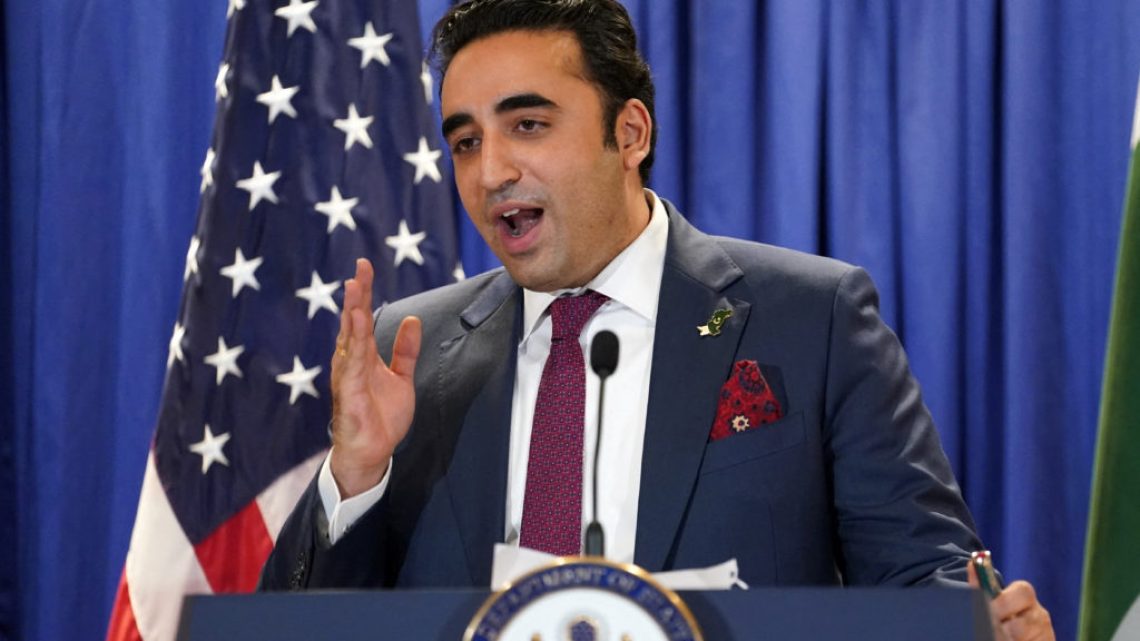
July 17, 2025Pakistan’s Finance Minister Ishaq Dar has restated Pakistan’s unwavering commitment to peaceful ties with neighbors, firmly rejecting India’s baseless accusations of Pakistan’s involvement in the recent Pahalgam terror attack. This moment comes amid rising regional instability, where Pakistan continues to prioritize diplomacy, mutual respect, and regional stability, while India’s hegemonic policies increasingly threaten the fabric of South Asian unity. The contrast between Pakistan’s pursuit of peace and India’s belligerent actions could not be obvious.
India’s Aggression: A Path to Regional Destruction
India’s conduct under Prime Minister Narendra Modi has taken a dangerous turn, advancing a policy of military occupation and regional domination. The illegal occupation of Indian Illegally Occupied Jammu and Kashmir (IIOJK) in 2019 and its subsequent actions have severely undermined both international law and human rights. India’s refusal to recognize Kashmiris’ right to self-determination is a clear violation of global norms. Despite worldwide condemnation, India presses on with its aggressive stance, seeking to impose its will on the region.
India’s internal policies, such as the controversial Citizenship Amendment Act (CAA), further exemplify its authoritarian tendencies, threatening its own democracy while exacerbating regional tensions. With military build-ups and covert actions aimed at destabilizing neighboring countries, India’s actions are eroding regional trust and sowing division. It seeks to dictate terms through aggression, ignoring the rights and aspirations of smaller nations.
Pakistan’s Commitment to Peace: A Strategic Imperative
In contrast to India’s destructive path, Pakistan remains resolutely committed to peace and diplomacy. Pakistan’s diplomatic outreach to its neighbors, its role in regional connectivity through initiatives like the China-Pakistan Economic Corridor (CPEC), and its firm stance on regional cooperation highlight a stark difference in approach. Pakistan advocates for dialogue, stability, and mutual respect for sovereignty, even as it faces India’s hostile actions on multiple fronts.
Despite repeated calls for peace, India’s refusal to engage in meaningful talks underscores its intransigence. Pakistan, however, continues to offer diplomatic solutions, promoting peace despite the challenges posed by India’s aggressive actions. Pakistan’s commitment to diplomacy is not just a strategic imperative but a moral responsibility for the region’s stability.
India’s Isolation: A Result of Its Own Actions
India’s hegemonic policies have isolated it from the very countries it sought to lead. Its aggressive stance on Kashmir, alongside domestic policies like the CAA, have strained relations with neighboring countries such as Nepal, Sri Lanka, Bangladesh, and Bhutan. India’s refusal to engage in constructive dialogue with Pakistan further isolates it on the global stage. The international community, largely silent in the face of India’s actions, must now confront the reality that India’s unilateralism and authoritarianism pose a serious threat to regional peace.
Revitalizing SAARC: Pakistan’s Opportunity to Lead
In light of recent regional tensions, Pakistan must seize the opportunity to revitalize SAARC, a platform that has been weakened due to India’s persistent refusal to engage meaningfully with Pakistan. The South Asian region can no longer afford the disruptive influence of India’s unilateral actions, particularly in IIOJK. Pakistan must take the lead in championing an inclusive and cooperative regional framework, one that emphasizes mutual respect, dialogue, and collaboration. By countering India’s tactics of division and exclusion, a revitalized SAARC could offer South Asia a path to peace, shared prosperity, and stability, moving beyond the ongoing cycles of conflict and aggression.
The Global Responsibility: Accountability for India’s Actions
The international community must no longer ignore India’s violations of international law, particularly in IIOJK. India’s actions must be condemned, and it must be held accountable for its military occupation, human rights abuses, and failure to engage in peace talks with Pakistan. The world cannot remain passive while India continues to undermine regional stability and peace. Supporting Pakistan’s calls for peace is crucial for the future of South Asia.
South Asia at a Crossroads: Defining the Region’s Future Path
South Asia stands at a pivotal crossroads. Pakistan’s commitment to diplomacy offers a path to peace, but India’s aggressive actions threaten to plunge the region into further instability. The choice is clear: a future defined by conflict and division, or one marked by cooperation, peace, and mutual respect. Pakistan must lead the charge for regional stability, and the international community must support this vision. The time for decisive action is now; South Asia’s future depends on it.