The Illusion of Normalcy: How Tourism in IIOJK Conceals Reality of Militarization
July 15, 2025A Shattered Illusion in Pahalgam
On April 22, 2025, Pahalgam, presented as a peaceful tourist haven, was violently disrupted when gunmen attacked tourists, killing 26 people. This tragic event ripped apart the Indian state’s narrative of peace and normalcy in Indian Illegally Occupied Jammu and Kashmir (IIOJK). While the government promotes the region as a symbol of tranquility, the truth remains far more complex, revealing the deeply politicized nature of the tourism industry in the region.
Tourism as a Political Tool
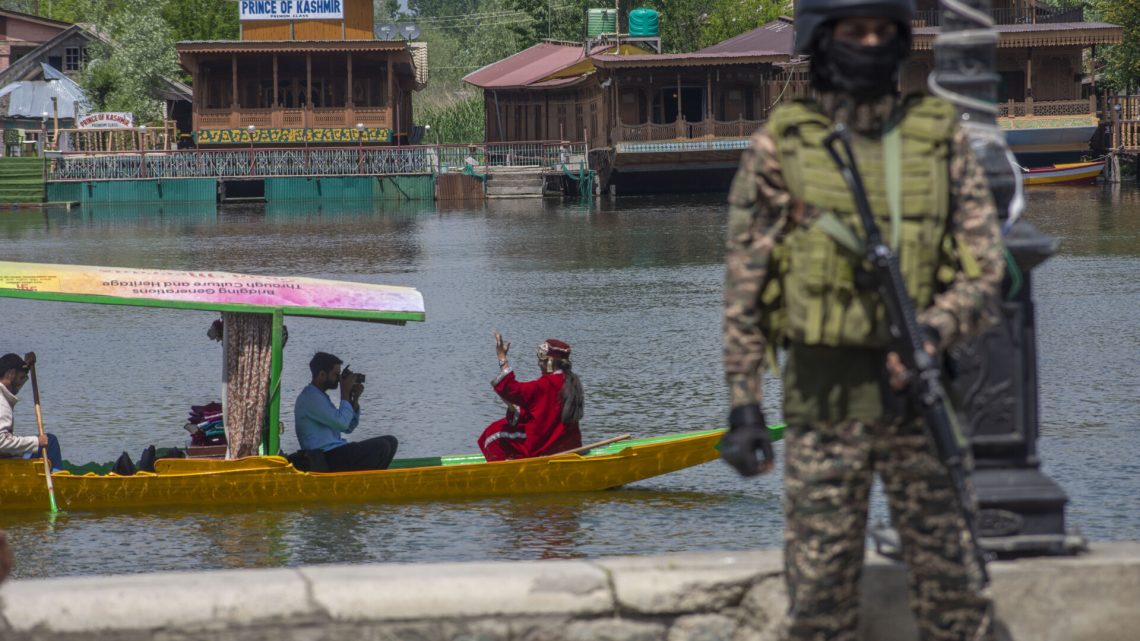
Since the abrogation of Article 370, the Indian government has marketed IIOJK as a prime tourist destination, using influencers, filmmakers, and travel bloggers to craft an image of serene beauty and economic progress. The record tourist numbers of 2022 and 2023, along with the promotion of pilgrimages like the Amarnath Yatra, were touted as evidence of progress. Yet, these images mask the reality of militarization, security crackdowns, and daily repression faced by Kashmiris.
Militarization: The Hidden Reality
Behind the tourism façade lies a region dominated by military presence. Checkpoints, curfews, and arbitrary arrests are daily features of life for Kashmiris. Popular towns like Pahalgam, Gulmarg, and Sonmarg now see armed forces occupying cultural spaces once used for community gatherings. This militarization restrains local culture and creates a constant atmosphere of psychological pressure on residents, undermining the peaceful image presented to tourists.
The Propaganda of Peace
The state’s use of tourism as a political tool to project peace is evident in the aftermath of the Pahalgam attack. The attack exposed the fragility of India’s carefully crafted narrative. While tourists remain largely shielded from the harsh realities faced by Kashmiris, the tourism industry becomes politicized and vulnerable, a mere performance to distract from the root causes of conflict. The militarization of tourist spaces only deepens the fractures.
The Economic and Humanitarian Fallout
The real victims of this distorted tourism narrative are the Kashmiris themselves: small business owners, tour guides, and others whose livelihoods depend on tourism. Each attack triggers further security crackdowns, leading to detentions, profiling, and harassment of civilians. The economic consequences are severe: business closures, lost income, and mounting hardship are the hidden costs of India’s counterinsurgency measures. The militarization of the region only worsens the situation, stifling economic growth and deepening resentments.
Ethical Questions: Is Tourism Helping?
Can tourism truly contribute to peace when it prioritizes India’s national image over the empowerment of local communities? The current model of tourism as propaganda fails to address the real causes of violence. Until the militarization ends, and Kashmiris have control over their future, tourism will remain a tool of political manipulation, not a means of genuine reconciliation.
Conclusion: The Illusion Crumbles
The Pahalgam attack serves as a powerful reminder of how fragile the illusion of normalcy in IIOJK truly is. The Indian government’s reliance on tourism propaganda is unsustainable as it fails to address the underlying conflict. IIOJK’s tourism cannot mask the brutality of the daily lives of its people. Peace in Kashmir requires more than tourism campaigns; it requires justice, freedom, self- determination and respect for human rights. Until these are achieved, Kashmir will remain trapped in a cycle of political manipulation and conflict.