13th July 1931: The Day Kashmir’s Struggle Was Born
July 13, 2025A Blood-Stained Legacy: 22 Martyrs Who Awakened a Nation
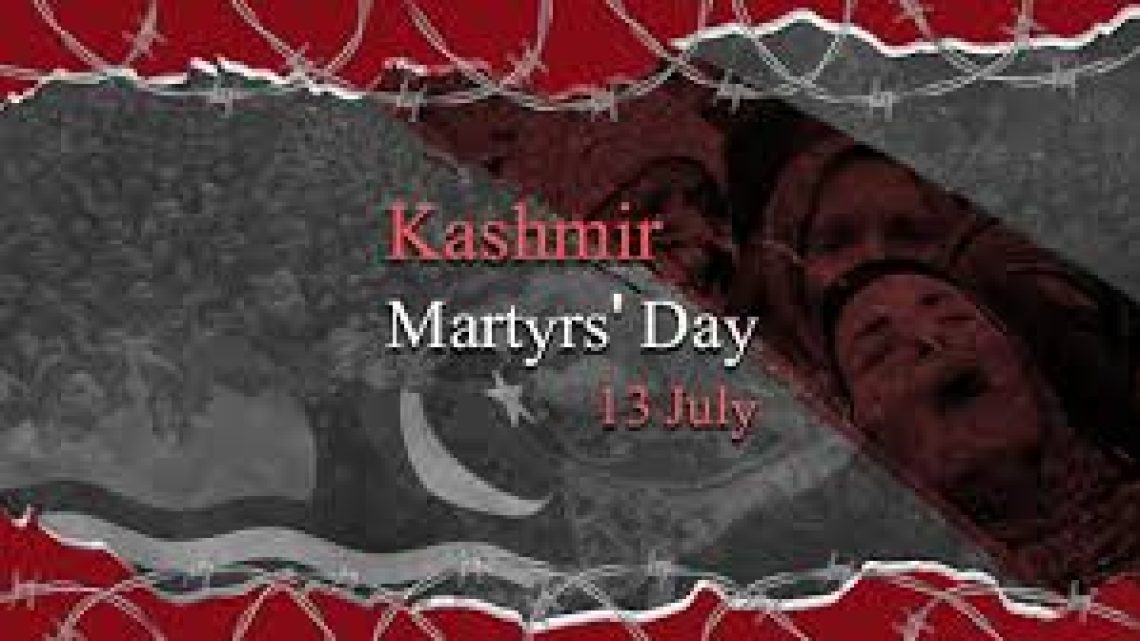
On 13th July 1931, 22 Kashmiris were gunned down by the oppressive Dogra regime, marking the beginning of Kashmir’s fight for justice and freedom. Their martyrdom was not just violence; it sparked a political awakening that fueled the relentless struggle for Kashmir’s rights.
The Dogra Dynasty’s Tyranny: Kashmir’s Silent Suffering
Under the Dogra dynasty, IIOJK suffered immense oppression and discrimination. The Muslim majority lived in poverty, unemployment, and neglect, with their cries for justice ignored by the regime. On 13th July 1931, the spirit of resistance erupted, demanding that Kashmiris no longer live in silence.
The Moment of Reckoning: The Spark of Rebellion
The massacre in Srinagar, sparked by Abdul Qadeer Khan’s protest, was a defining moment. As the police opened fire, killing 22 Kashmiris, it forever marked the point of no return. This was the beginning of Kashmir’s future struggle, with the blood of the martyrs strengthening the fight for freedom.
Martyrs of 13th July: The Foundation of Resistance
The sacrifice of 22 martyrs became the foundation of Kashmir’s resistance. Their blood united Kashmiris, transforming them from passive subjects to active fighters for justice. This martyrdom laid the groundwork for the movement that would continue with increasingly invincible strength.
The Muslim Conference: The First Step Towards Political Mobilization
In response to the massacre, the All Jammu and Kashmir Muslim Conference was formed in 1932. It marked Kashmir’s first political voice, challenging the Dogra regime and laying the foundation for political resistance. It was the beginning of Kashmir’s assertion for self determination and freedom.
The Praja Sabha: A False Promise of Representation
The Praja Sabha, established in 1934, promised representation but excluded Kashmir’s Muslims. Instead of justice, it reinforced marginalization. Kashmiris, under the Muslim Conference, demanded genuine political power, refusing to settle for token gestures.
Kashmir’s Awakening: Political Mobilization Grows Stronger
The massacre of 13th July and the formation of the Muslim Conference sparked a larger political movement. What began as a fight for representation grew into a full-scale demand for justice, as Kashmiris united in their struggle not just for their rights but for the future of the region.
Solidarity Across India: Kashmir’s Struggle Becomes National
Kashmir’s fight for freedom was not isolated. Leaders across India stood in solidarity with Kashmir, making it part of the national struggle for independence. The martyrdom of 22 Kashmiris became a symbol of resistance, uniting all Muslims fighting for justice.
The Legacy of 13th July: The Unbroken Spirit of Resistance
The legacy of 13th July 1931 is one of unshakable resilience. The blood of the martyrs continues to fuel the fight for freedom, serving as a beacon of hope for Kashmir’s struggle. Their sacrifice is the guiding light that will continue to inspire future generations.
Kashmir’s Struggle for Freedom: The Fight Will Never End
Kashmir’s journey towards freedom is far from over. The struggle for justice that began on 13th July 1931 remains alive today. The martyrs’ blood continues to serve as a reminder for all to stand with Kashmir. The fight for justice is ongoing, and the resistance ignited that day will never be extinguished.