Contemporary Challenges of the Muslim Ummah and the Path to Revival
July 4, 2025Explore the political, social, and spiritual issues facing the Muslim Ummah today and the remedies rooted in Islamic unity, education, and revival.
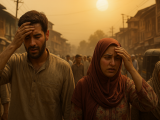
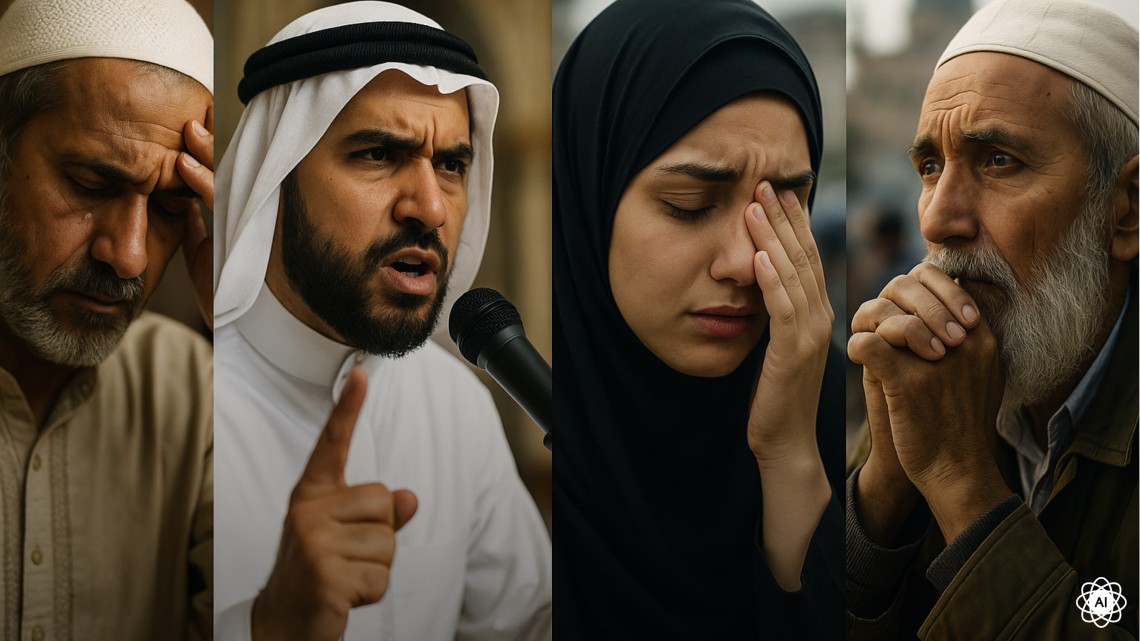
The Prophet Muhammad (PBUH) beautifully said, “The Muslim Ummah is like one body. If the eye is in pain, the whole body feels it.” Today, the Ummah is hurting in multiple ways—politically fragmented, socially divided, and spiritually adrift. The pain of one part resonates across the global Muslim community, yet unity and collective action remain distant goals.
One of the root causes is the departure from Islamic principles that once made the Muslim world a beacon of justice, knowledge, and unity. Instead, we now witness political disunity, where monarchies, dictatorships, and power-driven regimes dominate. Loyalty often lies with tribal affiliations or personal gains rather than the larger Ummah.
Despite having vast natural and human resources, the Muslim world struggles with illiteracy, poor governance, and civil conflicts. Mismanagement, foreign interventions, and proxy wars continue to weaken us from within.
The terms fundamentalism and extremism are widely misunderstood and misused. While Islam promotes foundational values, those committing violence in its name are far from being true to its essence. Sectarianism, fanaticism (taʿṣub), and intolerance further damage the unity and peace Islam teaches.
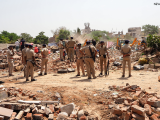
The Middle East remains embroiled in crises—Syria’s bloodshed, Iraq’s instability, Yemen’s war, and Palestine’s occupation are just a few examples. Sadly, institutions like the OIC have failed to provide meaningful solutions or solidarity.
Externally, the Muslim world faces globalization-driven economic control, media manipulation, and Islamophobic narratives. Western media often distorts Islamic values while cultural imperialism erodes our moral fabric and traditional family structures.
Thinkers like Jamal-ud-din Afghani and Allama Iqbal emphasized Islamic unity and revival. Iqbal rightly noted that at critical points in history, “Islam saved the Muslims, not the other way around.” Islam provides a complete framework for personal and societal conduct—be it social justice, governance, or education.
To overcome present challenges, the Ummah must:
- Return to Islamic values and ethical governance
- Invest in scientific research and IT
- Promote Ijtihad (independent reasoning) to address modern issues
- Use media to counter Islamophobia
- Revive institutions like the OIC and establish Muslim free trade agreements
The path to revival lies in rediscovering the true message of Islam and acting upon it collectively. The pain of one Muslim should be felt by all, not just in words, but in unified action.